


Urban Challenge Fund -Will it or will it not deliver?
July 13, 2026
eBook – Development with Dignity – Malayalam Translation
July 13, 2026Why Is Shared Mobility Still Treated as an Exception in India?
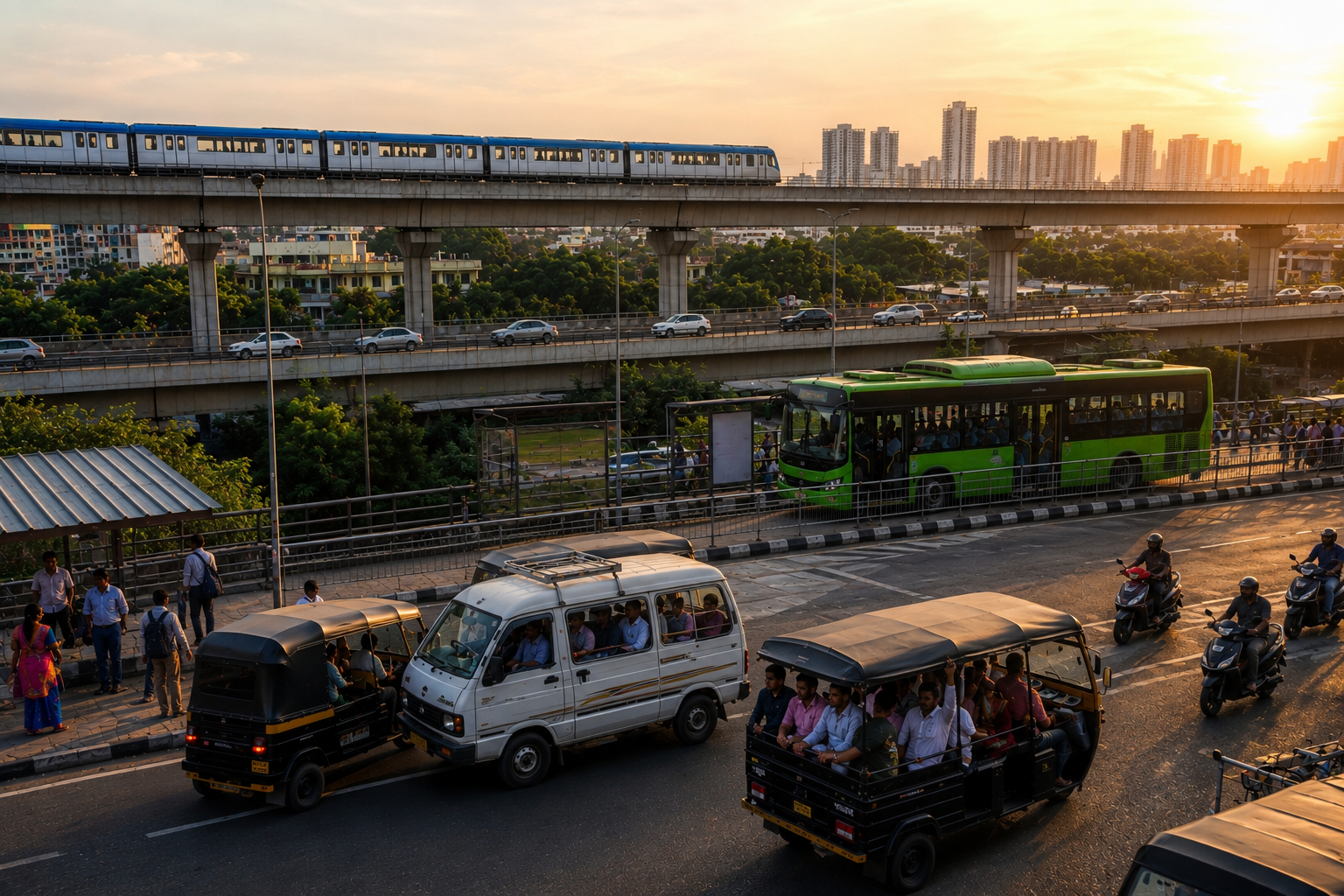
Every day, millions of Indians depend on shared autos, vans, jeeps, tempos, and other forms of shared transport to reach workplaces, schools, hospitals, markets, and public transport hubs. These services are so deeply embedded in daily life that most commuters rarely think about them. Yet despite their widespread use, shared mobility remains largely absent from mainstream transport discussions in India.
When mobility is discussed, attention often shifts towards metro rail projects, electric buses, highways, and smart transport technologies. These investments are undoubtedly important. However, they represent only one part of India’s transport story. The other part unfolds every day through transport services that quietly connect people to opportunities, particularly in places where formal public transport systems remain inadequate.
This raises an important question: why is shared mobility still treated as an exception when it has become an essential part of everyday travel for millions of Indians?
Beyond Infrastructure: The Accessibility Challenge
India’s transport debate is often framed around infrastructure development. New roads, railway lines, metro systems, and bus fleets are frequently used as indicators of progress. While infrastructure is important, mobility is ultimately about access. People travel not for the sake of movement itself, but to reach jobs, educational institutions, healthcare facilities, and essential services.
The distinction matters because infrastructure does not automatically translate into accessibility.
According to the Shared Mobility India initiative of the Centre for Public Policy Research (CPPR), nearly 74 per cent of India’s rural population lacks access to formal public transport. This is significant in a country where, according to the Census of India 2011, nearly 68.8 per cent of the population lived in rural areas. Even as urbanisation continues, millions of Indians remain dependent on transport services beyond the reach of conventional public transport networks.
This gap becomes particularly visible in rural and peri-urban areas. A village may be connected by a road, yet residents may have limited transport options to reach nearby towns. A student may have access to a college only if affordable transport is available. A worker may live within commuting distance of an industrial area but still struggle to reach it reliably.
In such situations, mobility is not defined by infrastructure alone. It is defined by whether transport services are available when and where people need them.
The Transport System People Built for Themselves
One of the most striking aspects of shared mobility in India is that much of it developed organically. Unlike metro systems or state-run bus services, shared mobility often emerged because commuters needed solutions that existing systems could not provide.
Across India, different forms of shared transport have adapted to local needs. Mumbai’s share taxis have operated on fixed routes for decades, providing an affordable alternative for commuters. In parts of Uttar Pradesh and Bihar, shared tempos remain a common mode of transport for workers and students. Across the North-East, shared Sumos connect towns and remote communities where regular transport services are limited. In Tamil Nadu and Kerala, shared autos have become a familiar part of daily travel, particularly in areas requiring flexible and affordable transport options.
Despite regional differences, these services share a common feature: they exist because people use them.
Their continued presence demonstrates that mobility demand extends beyond the reach of formal transport systems. Shared mobility has survived not because it receives extensive policy support but because it addresses practical transportation needs.
Why Policy Still Lags Behind
The persistence of shared mobility presents an interesting policy paradox. Services that transport millions of people every day continue to occupy an uncertain position within transport planning frameworks.
Public transport policy has traditionally focused on formal systems such as buses and railways. These systems remain central to India’s mobility future and deserve continued investment. However, shared mobility often falls outside conventional planning frameworks despite performing many of the same functions.
For commuters, the distinction between formal and informal transport is often irrelevant. What matters is reliability, affordability, and accessibility. A shared auto that helps a commuter reach a railway station performs a public transport function regardless of how it is categorised in policy documents.
Yet transport discussions frequently focus on permits, regulations, and enforcement while paying less attention to the mobility needs that these services address. This creates a disconnect between transport planning and transport realities.
The issue is not whether shared mobility should replace formal public transport. It should not. Rather, the question is whether transport policy adequately reflects how people actually travel.
A Lesson for Mobility Planning
The continued growth of shared mobility offers an important lesson for policymakers. Successful mobility systems are not judged solely by the infrastructure they create but by the accessibility they provide.
A metro station is useful only if commuters can reach it. A bus network is effective only if passengers can access stops conveniently. Roads improve connectivity only when transport services operate on them. Shared mobility frequently fills these gaps, particularly in areas where dedicated feeder services are absent or insufficient.
This is why shared mobility deserves attention beyond discussions of regulation. It offers insights into how people navigate existing transport systems and where accessibility challenges remain unresolved.
As India continues to invest in transport infrastructure, understanding these patterns will become increasingly important. Mobility planning cannot focus only on the systems that are most visible. It must also recognise the systems that people depend on every day.
Conclusion
For decades, shared mobility has quietly supported everyday travel across India. It has connected villages to towns, workers to jobs, students to educational institutions, and commuters to larger public transport networks. Despite this, it continues to be treated as a peripheral part of the transport ecosystem.
The reality on the ground tells a different story.
Shared mobility is not an exception within India’s transport landscape. It is one of the ways millions of people experience mobility every day. Recognising this reality is not simply a matter of transport policy. It is a step towards building a mobility system that better reflects the needs, experiences, and travel patterns of the people it is meant to serve.
References
- Centre for Public Policy Research (CPPR). Shared Mobility India Initiative. https://www.cppr.in/shared-mobility-india
- Census of India 2011. Office of the Registrar General & Census Commissioner, Government of India. https://censusindia.gov.in
Kavinisha M is a Communications Intern at the Centre for Public Policy Research, Kochi.
Views expressed by the author are personal and need not reflect or represent the views of the Centre for Public Policy Research.

- CPPR Media&PR
- CPPR Media&PR
- CPPR Media&PR
- CPPR Media&PR
- CPPR Media&PR
- CPPR Media&PR
- CPPR Media&PR
- CPPR Media&PR
- CPPR Media&PR
- CPPR Media&PR
- CPPR Media&PR
- CPPR Media&PR
- CPPR Media&PR
- CPPR Media&PR
- CPPR Media&PR
- CPPR Media&PR
- CPPR Media&PR
- CPPR Media&PR
- CPPR Media&PR
- CPPR Media&PR
- CPPR Media&PR
- CPPR Media&PR
- CPPR Media&PR
- CPPR Media&PR
- CPPR Media&PR
- CPPR Media&PR
- CPPR Media&PR
- CPPR Media&PR
- CPPR Media&PR
- CPPR Media&PR
- CPPR Media&PR
- CPPR Media&PR
- CPPR Media&PR
- CPPR Media&PR
- CPPR Media&PR
- CPPR Media&PR
- CPPR Media&PR
- CPPR Media&PR
- CPPR Media&PR
- CPPR Media&PR
- CPPR Media&PR
- CPPR Media&PR
- CPPR Media&PR
- CPPR Media&PR
- CPPR Media&PR
- CPPR Media&PR
- CPPR Media&PR
- CPPR Media&PR
- CPPR Media&PR
- CPPR Media&PR
- CPPR Media&PR
- CPPR Media&PR
- CPPR Media&PR
- CPPR Media&PR
- CPPR Media&PR
- CPPR Media&PR
- CPPR Media&PR
- CPPR Media&PR
- CPPR Media&PR
- CPPR Media&PR
- CPPR Media&PR
- CPPR Media&PR
- CPPR Media&PR
- CPPR Media&PR
- CPPR Media&PR
- CPPR Media&PR
- CPPR Media&PR
- CPPR Media&PR
- CPPR Media&PR
- CPPR Media&PR
- CPPR Media&PR
- CPPR Media&PR
- CPPR Media&PR
- CPPR Media&PR
- CPPR Media&PR
- CPPR Media&PR
- CPPR Media&PR
- CPPR Media&PR
- CPPR Media&PR
- CPPR Media&PR
- CPPR Media&PR
- CPPR Media&PR
- CPPR Media&PR
- CPPR Media&PR
- CPPR Media&PR
- CPPR Media&PR
- CPPR Media&PR
- CPPR Media&PR
- CPPR Media&PR
- CPPR Media&PR
- CPPR Media&PR
- CPPR Media&PR
- CPPR Media&PR
- CPPR Media&PR
- CPPR Media&PR
- CPPR Media&PR
- CPPR Media&PR
- CPPR Media&PR
- CPPR Media&PR
- CPPR Media&PR
- CPPR Media&PR
- CPPR Media&PR
- CPPR Media&PR
- CPPR Media&PR
- CPPR Media&PR
- CPPR Media&PR
- CPPR Media&PR
- CPPR Media&PR
- CPPR Media&PR
- CPPR Media&PR
- CPPR Media&PR
- CPPR Media&PR
- CPPR Media&PR
- CPPR Media&PR
- CPPR Media&PR
- CPPR Media&PR
- CPPR Media&PR
- CPPR Media&PR
- CPPR Media&PR
- CPPR Media&PR
- CPPR Media&PR
- CPPR Media&PR
- CPPR Media&PR
- CPPR Media&PR
- CPPR Media&PR
- CPPR Media&PR
- CPPR Media&PR
- CPPR Media&PR
- CPPR Media&PR
- CPPR Media&PR
- CPPR Media&PR
- CPPR Media&PR
- CPPR Media&PR
- CPPR Media&PR
- CPPR Media&PR
- CPPR Media&PR
- CPPR Media&PR
- CPPR Media&PR
- CPPR Media&PR
- CPPR Media&PR
- CPPR Media&PR
- CPPR Media&PR
- CPPR Media&PR
- CPPR Media&PR
- CPPR Media&PR
- CPPR Media&PR
- CPPR Media&PR
- CPPR Media&PR
- CPPR Media&PR
- CPPR Media&PR
- CPPR Media&PR
- CPPR Media&PR
- CPPR Media&PR
- CPPR Media&PR
- CPPR Media&PR
- CPPR Media&PR
- CPPR Media&PR
- CPPR Media&PR
- CPPR Media&PR
- CPPR Media&PR
- CPPR Media&PR
- CPPR Media&PR
- CPPR Media&PR
- CPPR Media&PR
- CPPR Media&PR
- CPPR Media&PR
- CPPR Media&PR
- CPPR Media&PR
- CPPR Media&PR
- CPPR Media&PR
- CPPR Media&PR
- CPPR Media&PR
- CPPR Media&PR
- CPPR Media&PR
- CPPR Media&PR
- CPPR Media&PR
- CPPR Media&PR
- CPPR Media&PR
- CPPR Media&PR
- CPPR Media&PR
- CPPR Media&PR
- CPPR Media&PR
- CPPR Media&PR
- CPPR Media&PR
- CPPR Media&PR
- CPPR Media&PR
- CPPR Media&PR
- CPPR Media&PR
- CPPR Media&PR
- CPPR Media&PR
- CPPR Media&PR
- CPPR Media&PR
- CPPR Media&PR
- CPPR Media&PR
- CPPR Media&PR
- CPPR Media&PR
- CPPR Media&PR
- CPPR Media&PR
- CPPR Media&PR
- CPPR Media&PR
- CPPR Media&PR
- CPPR Media&PR
- CPPR Media&PR
- CPPR Media&PR
- CPPR Media&PR
- CPPR Media&PR
- CPPR Media&PR
- CPPR Media&PR
- CPPR Media&PR
- CPPR Media&PR
- CPPR Media&PR
- CPPR Media&PR
- CPPR Media&PR
- CPPR Media&PR
- CPPR Media&PR
- CPPR Media&PR
- CPPR Media&PR
- CPPR Media&PR
- CPPR Media&PR
- CPPR Media&PR
- CPPR Media&PR
- CPPR Media&PR
- CPPR Media&PR
- CPPR Media&PR
- CPPR Media&PR
- CPPR Media&PR
- CPPR Media&PR
- CPPR Media&PR
- CPPR Media&PR
- CPPR Media&PR
- CPPR Media&PR
- CPPR Media&PR
- CPPR Media&PR
- CPPR Media&PR
- CPPR Media&PR
- CPPR Media&PR
- CPPR Media&PR
- CPPR Media&PR
- CPPR Media&PR
- CPPR Media&PR
- CPPR Media&PR
- CPPR Media&PR
- CPPR Media&PR
- CPPR Media&PR
- CPPR Media&PR
- CPPR Media&PR
- CPPR Media&PR
- CPPR Media&PR
- CPPR Media&PR
- CPPR Media&PR
- CPPR Media&PR
- CPPR Media&PR
- CPPR Media&PR
- CPPR Media&PR
- CPPR Media&PR
- CPPR Media&PR
- CPPR Media&PR
- CPPR Media&PR
- CPPR Media&PR
- CPPR Media&PR
- CPPR Media&PR
- CPPR Media&PR
- CPPR Media&PR
- CPPR Media&PR
- CPPR Media&PR
- CPPR Media&PR
- CPPR Media&PR
- CPPR Media&PR
- CPPR Media&PR
- CPPR Media&PR
- CPPR Media&PR
- CPPR Media&PR
- CPPR Media&PR
- CPPR Media&PR
- CPPR Media&PR
- CPPR Media&PR
- CPPR Media&PR
- CPPR Media&PR
- CPPR Media&PR
- CPPR Media&PR
- CPPR Media&PR
- CPPR Media&PR
- CPPR Media&PR
- CPPR Media&PR
- CPPR Media&PR
- CPPR Media&PR
- CPPR Media&PR
- CPPR Media&PR
- CPPR Media&PR
- CPPR Media&PR
- CPPR Media&PR
- CPPR Media&PR
- CPPR Media&PR
- CPPR Media&PR
- CPPR Media&PR
- CPPR Media&PR
- CPPR Media&PR
- CPPR Media&PR
- CPPR Media&PR
- CPPR Media&PR
- CPPR Media&PR
- CPPR Media&PR
- CPPR Media&PR
- CPPR Media&PR
- CPPR Media&PR
- CPPR Media&PR
- CPPR Media&PR
- CPPR Media&PR
- CPPR Media&PR
- CPPR Media&PR
- CPPR Media&PR
- CPPR Media&PR
- CPPR Media&PR
- CPPR Media&PR
- CPPR Media&PR
- CPPR Media&PR
- CPPR Media&PR
- CPPR Media&PR
- CPPR Media&PR
- CPPR Media&PR
- CPPR Media&PR
- CPPR Media&PR
- CPPR Media&PR
- CPPR Media&PR
- CPPR Media&PR
- CPPR Media&PR
- CPPR Media&PR
- CPPR Media&PR
- CPPR Media&PR
- CPPR Media&PR
- CPPR Media&PR
- CPPR Media&PR
- CPPR Media&PR
- CPPR Media&PR
- CPPR Media&PR
- CPPR Media&PR
- CPPR Media&PR
- CPPR Media&PR
- CPPR Media&PR
- CPPR Media&PR
- CPPR Media&PR
- CPPR Media&PR
- CPPR Media&PR
- CPPR Media&PR
- CPPR Media&PR
- CPPR Media&PR
- CPPR Media&PR
- CPPR Media&PR
- CPPR Media&PR
- CPPR Media&PR
- CPPR Media&PR
- CPPR Media&PR
- CPPR Media&PR
- CPPR Media&PR
- CPPR Media&PR
- CPPR Media&PR
- CPPR Media&PR
- CPPR Media&PR
- CPPR Media&PR
- CPPR Media&PR
- CPPR Media&PR
- CPPR Media&PR
- CPPR Media&PR
- CPPR Media&PR
- CPPR Media&PR
- CPPR Media&PR
- CPPR Media&PR
- CPPR Media&PR
- CPPR Media&PR
- CPPR Media&PR
- CPPR Media&PR
- CPPR Media&PR
- CPPR Media&PR
- CPPR Media&PR
- CPPR Media&PR
- CPPR Media&PR
- CPPR Media&PR
- CPPR Media&PR
- CPPR Media&PR
- CPPR Media&PR
- CPPR Media&PR
- CPPR Media&PR
- CPPR Media&PR
- CPPR Media&PR
- CPPR Media&PR
- CPPR Media&PR
- CPPR Media&PR
- CPPR Media&PR
- CPPR Media&PR
- CPPR Media&PR
- CPPR Media&PR
- CPPR Media&PR
- CPPR Media&PR
- CPPR Media&PR
- CPPR Media&PR
- CPPR Media&PR
- CPPR Media&PR
- CPPR Media&PR
- CPPR Media&PR
- CPPR Media&PR
- CPPR Media&PR
- CPPR Media&PR
- CPPR Media&PR
- CPPR Media&PR
- CPPR Media&PR
- CPPR Media&PR
- CPPR Media&PR
- CPPR Media&PR
- CPPR Media&PR
- CPPR Media&PR
- CPPR Media&PR
- CPPR Media&PR
- CPPR Media&PR
- CPPR Media&PR
- CPPR Media&PR
- CPPR Media&PR
- CPPR Media&PR
- CPPR Media&PR
- CPPR Media&PR
- CPPR Media&PR
- CPPR Media&PR
- CPPR Media&PR
- CPPR Media&PR
- CPPR Media&PR
- CPPR Media&PR
- CPPR Media&PR
- CPPR Media&PR
- CPPR Media&PR
- CPPR Media&PR
- CPPR Media&PR
- CPPR Media&PR
- CPPR Media&PR
- CPPR Media&PR
- CPPR Media&PR
- CPPR Media&PR
- CPPR Media&PR
- CPPR Media&PR
- CPPR Media&PR
- CPPR Media&PR
- CPPR Media&PR
- CPPR Media&PR
- CPPR Media&PR
- CPPR Media&PR
- CPPR Media&PR
- CPPR Media&PR
- CPPR Media&PR
- CPPR Media&PR
- CPPR Media&PR
- CPPR Media&PR
- CPPR Media&PR
- CPPR Media&PR
- CPPR Media&PR
- CPPR Media&PR
- CPPR Media&PR
- CPPR Media&PR
