
CPPR in the News
October 14, 2026

Kochi Metro feeder e-auto services need improvement to boost ridership, ensure reliable last-mile connectivity and support driver viability, says D Dhanuraj.
October 14, 2026

Highlights A few years ago, a comrade from Kollam, Kerala, travelled to China and upon return from the neighbouring country wrote a book recounting her experiences. The work is titled ‘Chankile China, Oru Chinnakadakariyude Cheena Yathra (With China in heart, […]
October 13, 2026
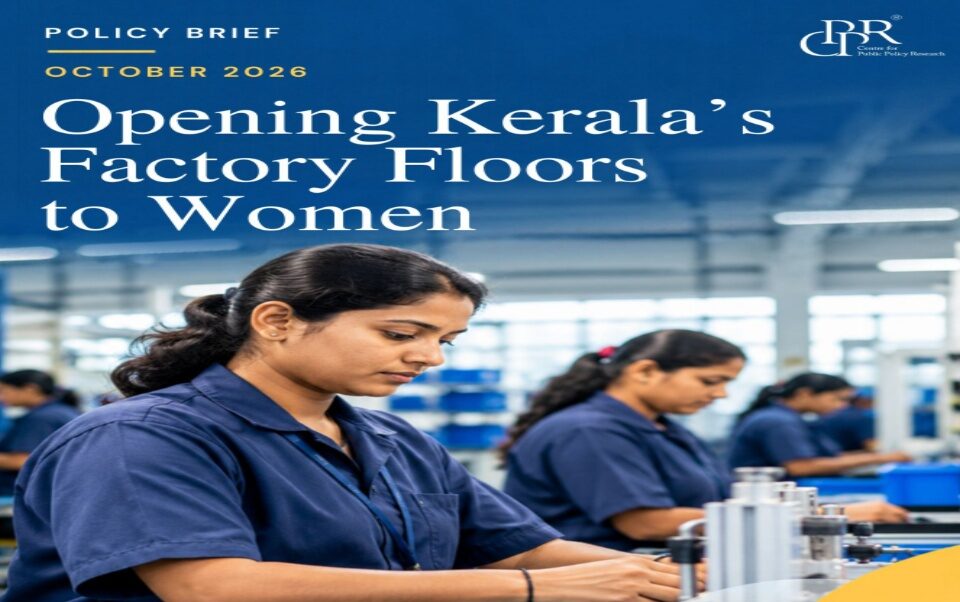
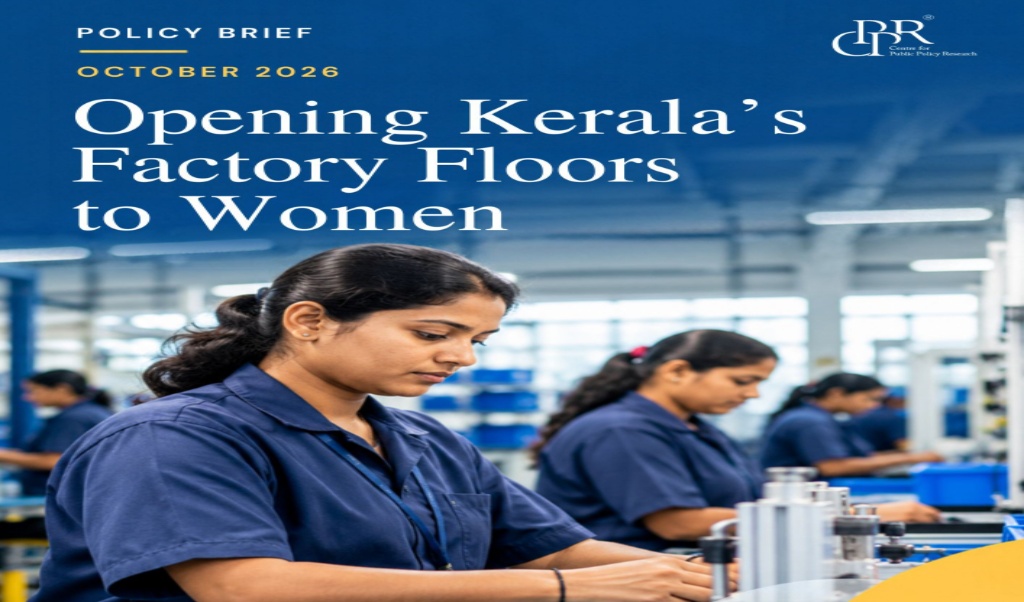
Kerala’s women are among the best educated in India. Female literacy stands at 92%, women outnumber men among graduates, and girls outperform boys in school-leaving exams. Even so, only about 29% of women were employed in 2023–24, and women make […]
October 13, 2026
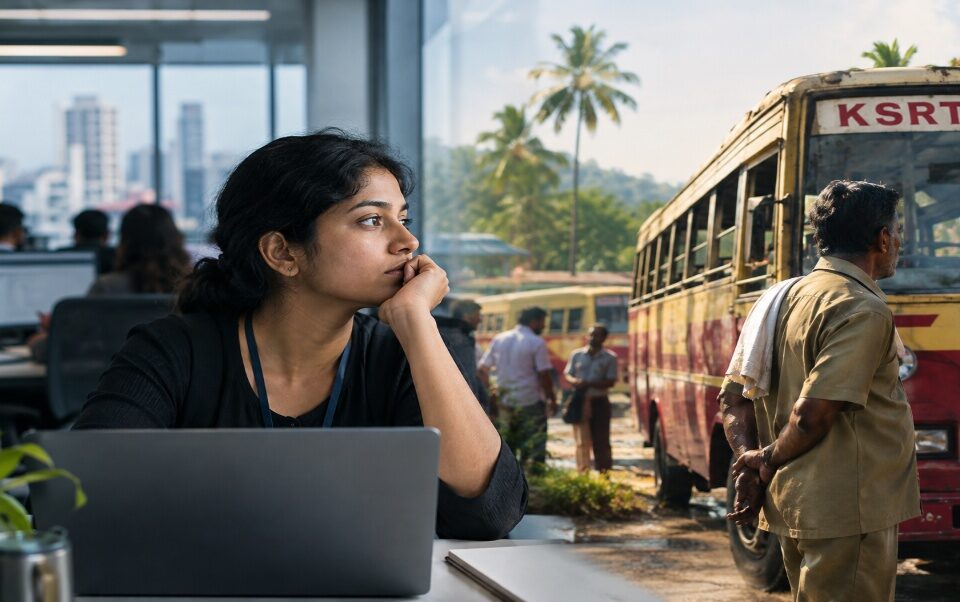
Three months on, the CorroHealth file is closed. Some 800 employees in Kochi and Kozhikode were relieved overnight on 3 July; by 20 July the company had settled for seven months’ gross salary. The employees had asked for reinstatement; they […]
October 13, 2026
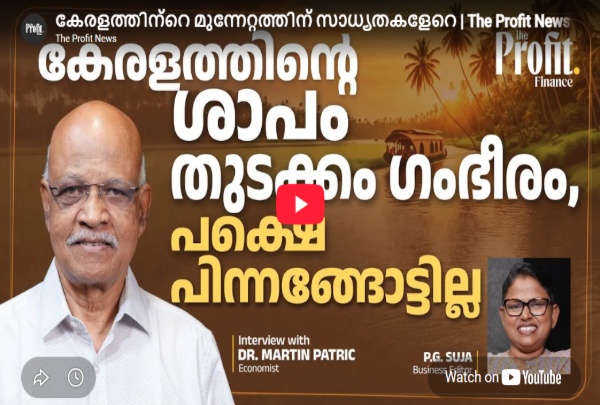
Dr Martin Patrick, Senior Fellow (Economy), Centre for Public Policy Research (CPPR), discusses Kerala’s economic development priorities, focusing on employment generation, higher education, investment, technology and sustainable growth. The interview explores ways to strengthen Kerala’s economy by creating local employment […]
October 12, 2026

A Welcome First Step On Tuesday, the Union Cabinet approved the Integrated Transport & Logistics Authority (ITLA) as a Special Purpose Vehicle (SPV) housed under the Department for Promotion of Industry and Internal Trade (DPIIT). Its mandate is to strengthen […]
October 10, 2026

Permitted Is Not Buildable: How FSI, Setbacks and Road-Width Rules Shape Housing Supply in Kerala, Tamil Nadu and Andhra Pradesh Floor Space Index (FSI) is usually treated as the main lever for increasing urban housing supply, but this CPPR study […]
October 10, 2026

Traditionally dependent on oil, the UAE has been diversifying into sectors such as Artificial Intelligence (AI) (Alghannam 2026), most notably through its National Strategy for Artificial Intelligence 2031. Since 2024, it has invested $147 billion in AI (Arab Weekly 2025) […]
October 9, 2026

India’s Ministry of External Affairs describes the roughly 10 million Indians in the GCC (Ministry of External Affairs 2026) as a “living bridge” between India and the Gulf (Ministry of External Affairs 2025). This article argues that the diaspora is […]
October 9, 2026
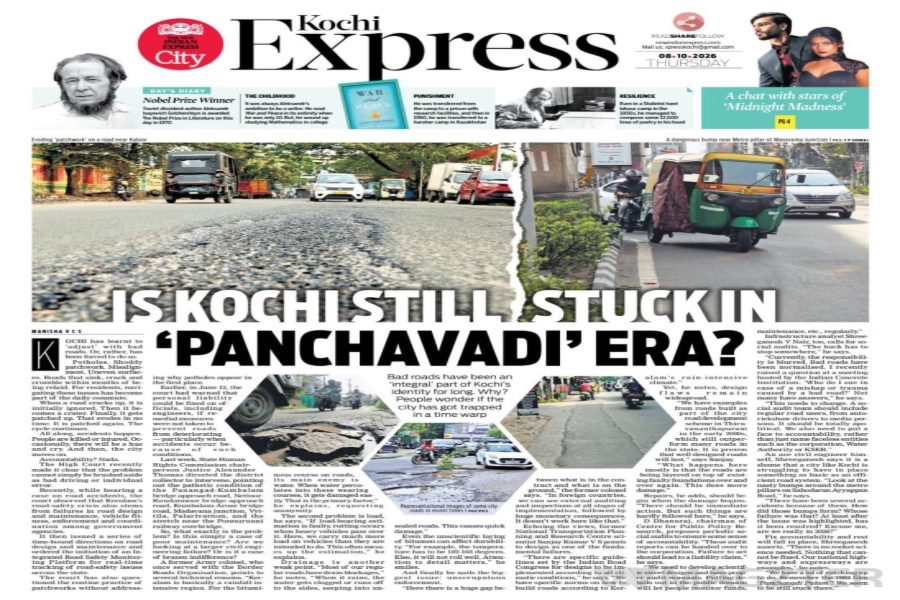
D Dhanuraj highlights scientific road design, maintenance guidelines and accountability in Kochi.
October 8, 2026
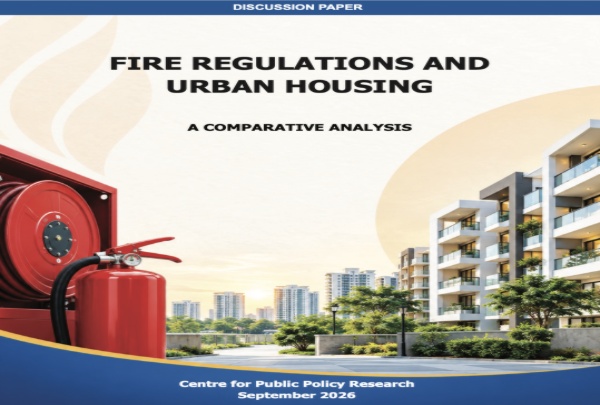
India faces a shortage of about 9.4 million affordable homes in its cities, and building upwards is one of the few ways to close that gap on scarce urban land. Fire-safety rules are essential to protect residents, but they also […]
October 8, 2026
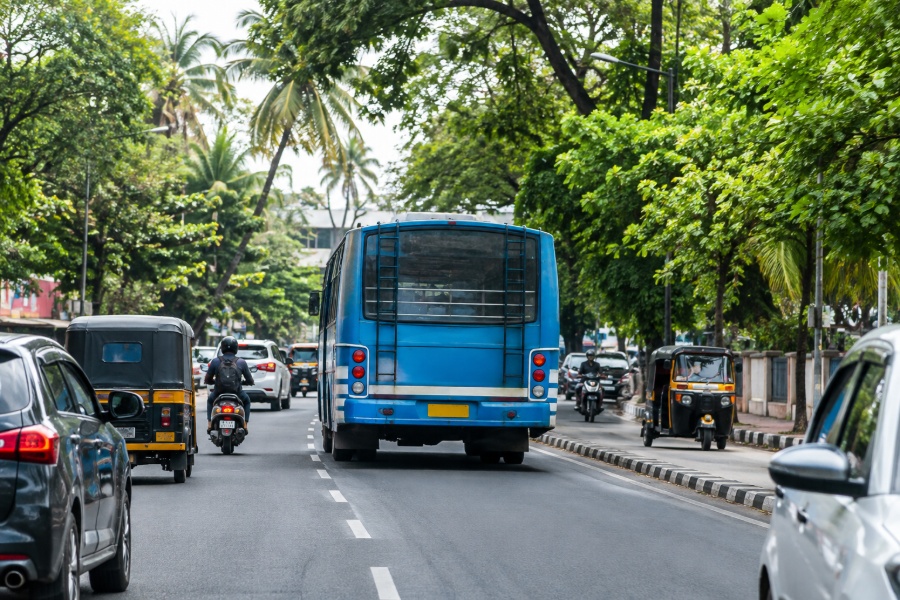
D Dhanuraj highlights the need to revise Kochi’s bus routes and schedules to improve public transport access and efficiency.
September 30, 2026

An Analogy Consider an examination hall. If the teacher cannot see one student, the likelihood of his cheating is 1. If two students are in the blind spot, the likelihood of their cheating is 4. For instance, if the students […]
September 30, 2026

D Dhanuraj discusses the Election Commission and the Chief Election Commissioner on Manorama News’ Counter Point.
September 29, 2026







This paper examines the off-street parking regulations governing residential development in Kerala, Tamil Nadu and Andhra Pradesh, and assesses their implications for housing affordability. The three states adopt distinct regulatory approaches. Kerala, under the Kerala Municipality Building Rules, 2019, and […]