


Kerala UDF Suspended: Heavy Setback for Ruling Party
May 6, 2026
Satheesan emerges as the comeback architect who revived Congress in Kerala
May 7, 2026Sri Lanka’s Renewable Energy Sector: Strategic Balancing Between India and China Amid Geopolitical Rivalries
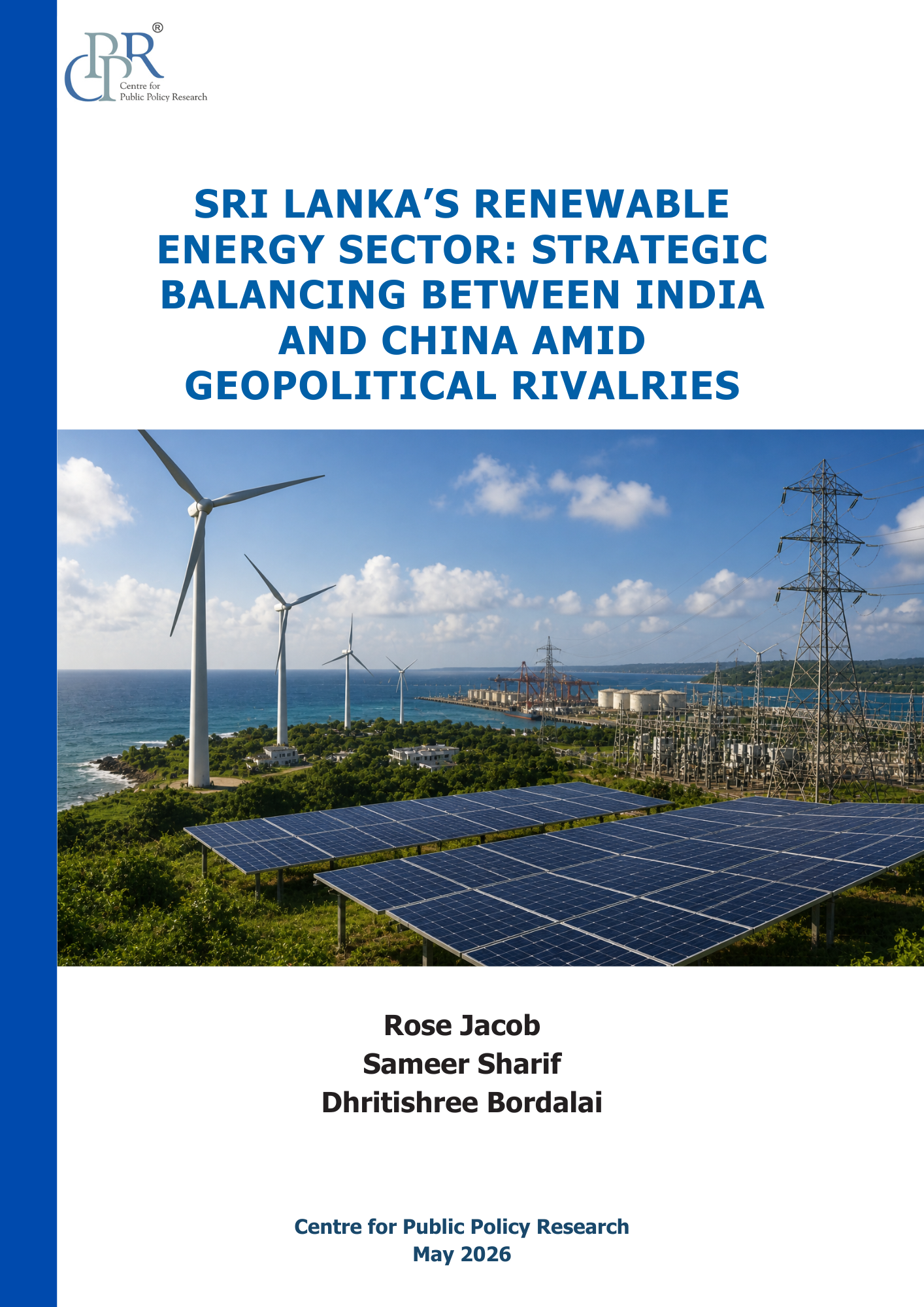
India and China are actively competing to expand their geopolitical influence in the Indian Ocean Region by investing in Sri Lanka’s renewable energy sector, each driven by distinct strategic motivations. Sri Lanka’s critical position along the world’s busiest maritime trade routes makes it a coveted partner for both powers, transforming its energy landscape into a geopolitical battleground. This paper examines the nature and motivations behind Indian and Chinese investments in Sri Lanka’s renewable energy sector, analysing how these investments reflect broader rivalries over regional hegemony, while also exploring how such foreign capital supports Sri Lanka in achieving energy security and meeting its target of generating 70 per cent of electricity from renewables by 2030.
Following the devastating economic crisis of 2021, Sri Lanka has embarked on structural reforms and renewed investment attraction, with renewables now accounting for approximately 55 per cent of total electricity production. However, bridging the gap to its 2030 targets demands enormous financial and technological support, drawing both India and China deeper into the sector. This paper also critically examines how these competing investments raise concerns over Sri Lanka’s sovereignty, as the risk of debt-trap diplomacy and strategic displacement of rival projects illustrate the delicate balancing act Sri Lanka must perform as it navigates between two contrasting models of engagement.
Rose Jacob and Sameer Sharif were Research Interns at the Centre for Public Policy Research (CPPR), Kochi, Kerala, India. Dhritishree Bordalai is a Senior Research Associate in International Relations.
Views expressed by the authors are personal and need not reflect or represent the views of the Centre for Public Policy Research.

-
CPPR Media&PR
-
CPPR Media&PR
-
CPPR Media&PR
-
CPPR Media&PR
-
CPPR Media&PR
-
CPPR Media&PR
-
CPPR Media&PR
-
CPPR Media&PR
-
CPPR Media&PR
-
CPPR Media&PR
-
CPPR Media&PR
-
CPPR Media&PR
-
CPPR Media&PR
-
CPPR Media&PR
-
CPPR Media&PR
-
CPPR Media&PR
-
CPPR Media&PR
-
CPPR Media&PR
-
CPPR Media&PR
-
CPPR Media&PR
-
CPPR Media&PR
-
CPPR Media&PR
-
CPPR Media&PR
-
CPPR Media&PR
-
CPPR Media&PR
-
CPPR Media&PR
-
CPPR Media&PR
-
CPPR Media&PR
-
CPPR Media&PR
-
CPPR Media&PR
-
CPPR Media&PR
-
CPPR Media&PR
-
CPPR Media&PR
-
CPPR Media&PR
-
CPPR Media&PR
-
CPPR Media&PR
-
CPPR Media&PR
-
CPPR Media&PR
-
CPPR Media&PR
-
CPPR Media&PR
-
CPPR Media&PR
-
CPPR Media&PR
-
CPPR Media&PR
-
CPPR Media&PR
-
CPPR Media&PR
-
CPPR Media&PR
-
CPPR Media&PR
-
CPPR Media&PR
-
CPPR Media&PR
-
CPPR Media&PR
-
CPPR Media&PR
-
CPPR Media&PR
-
CPPR Media&PR
-
CPPR Media&PR
-
CPPR Media&PR
-
CPPR Media&PR
-
CPPR Media&PR
-
CPPR Media&PR
-
CPPR Media&PR
-
CPPR Media&PR
-
CPPR Media&PR
-
CPPR Media&PR
-
CPPR Media&PR
-
CPPR Media&PR
-
CPPR Media&PR
-
CPPR Media&PR
-
CPPR Media&PR
-
CPPR Media&PR
-
CPPR Media&PR
-
CPPR Media&PR
-
CPPR Media&PR
-
CPPR Media&PR
-
CPPR Media&PR
-
CPPR Media&PR
-
CPPR Media&PR
-
CPPR Media&PR
-
CPPR Media&PR
-
CPPR Media&PR
-
CPPR Media&PR
-
CPPR Media&PR
-
CPPR Media&PR
-
CPPR Media&PR
-
CPPR Media&PR
-
CPPR Media&PR
-
CPPR Media&PR
-
CPPR Media&PR
-
CPPR Media&PR
-
CPPR Media&PR
-
CPPR Media&PR
-
CPPR Media&PR
-
CPPR Media&PR
-
CPPR Media&PR
-
CPPR Media&PR
-
CPPR Media&PR
-
CPPR Media&PR
-
CPPR Media&PR
-
CPPR Media&PR
-
CPPR Media&PR
-
CPPR Media&PR
-
CPPR Media&PR
-
CPPR Media&PR
-
CPPR Media&PR
-
CPPR Media&PR
-
CPPR Media&PR
-
CPPR Media&PR
-
CPPR Media&PR
-
CPPR Media&PR
-
CPPR Media&PR
-
CPPR Media&PR
-
CPPR Media&PR
-
CPPR Media&PR
-
CPPR Media&PR
-
CPPR Media&PR
-
CPPR Media&PR
-
CPPR Media&PR
-
CPPR Media&PR
-
CPPR Media&PR
-
CPPR Media&PR
-
CPPR Media&PR
-
CPPR Media&PR
-
CPPR Media&PR
-
CPPR Media&PR
-
CPPR Media&PR
-
CPPR Media&PR
-
CPPR Media&PR
-
CPPR Media&PR
-
CPPR Media&PR
-
CPPR Media&PR
-
CPPR Media&PR
-
CPPR Media&PR
-
CPPR Media&PR
-
CPPR Media&PR
-
CPPR Media&PR
-
CPPR Media&PR
-
CPPR Media&PR
-
CPPR Media&PR
-
CPPR Media&PR
-
CPPR Media&PR
-
CPPR Media&PR
-
CPPR Media&PR
-
CPPR Media&PR
-
CPPR Media&PR
-
CPPR Media&PR
-
CPPR Media&PR
-
CPPR Media&PR
-
CPPR Media&PR
-
CPPR Media&PR
-
CPPR Media&PR
-
CPPR Media&PR
-
CPPR Media&PR
-
CPPR Media&PR
-
CPPR Media&PR
-
CPPR Media&PR
-
CPPR Media&PR
-
CPPR Media&PR
-
CPPR Media&PR
-
CPPR Media&PR
-
CPPR Media&PR
-
CPPR Media&PR
-
CPPR Media&PR
-
CPPR Media&PR
-
CPPR Media&PR
-
CPPR Media&PR
-
CPPR Media&PR
-
CPPR Media&PR
-
CPPR Media&PR
-
CPPR Media&PR
-
CPPR Media&PR
-
CPPR Media&PR
-
CPPR Media&PR
-
CPPR Media&PR
-
CPPR Media&PR
-
CPPR Media&PR
-
CPPR Media&PR
-
CPPR Media&PR
-
CPPR Media&PR
-
CPPR Media&PR
-
CPPR Media&PR
-
CPPR Media&PR
-
CPPR Media&PR
-
CPPR Media&PR
-
CPPR Media&PR
-
CPPR Media&PR
-
CPPR Media&PR
-
CPPR Media&PR
-
CPPR Media&PR
-
CPPR Media&PR
-
CPPR Media&PR
-
CPPR Media&PR
-
CPPR Media&PR
-
CPPR Media&PR
-
CPPR Media&PR
-
CPPR Media&PR
-
CPPR Media&PR
-
CPPR Media&PR
-
CPPR Media&PR
-
CPPR Media&PR
-
CPPR Media&PR
-
CPPR Media&PR
-
CPPR Media&PR
-
CPPR Media&PR
-
CPPR Media&PR
-
CPPR Media&PR
-
CPPR Media&PR
-
CPPR Media&PR
-
CPPR Media&PR
-
CPPR Media&PR
-
CPPR Media&PR
-
CPPR Media&PR
-
CPPR Media&PR
-
CPPR Media&PR
-
CPPR Media&PR
-
CPPR Media&PR
-
CPPR Media&PR
-
CPPR Media&PR
-
CPPR Media&PR
-
CPPR Media&PR
-
CPPR Media&PR
-
CPPR Media&PR
-
CPPR Media&PR
-
CPPR Media&PR
-
CPPR Media&PR
-
CPPR Media&PR
-
CPPR Media&PR
-
CPPR Media&PR
-
CPPR Media&PR
-
CPPR Media&PR
-
CPPR Media&PR
-
CPPR Media&PR
-
CPPR Media&PR
-
CPPR Media&PR
-
CPPR Media&PR
-
CPPR Media&PR
-
CPPR Media&PR
-
CPPR Media&PR
-
CPPR Media&PR
-
CPPR Media&PR
-
CPPR Media&PR
-
CPPR Media&PR
-
CPPR Media&PR
-
CPPR Media&PR
-
CPPR Media&PR
-
CPPR Media&PR
-
CPPR Media&PR
-
CPPR Media&PR
-
CPPR Media&PR
-
CPPR Media&PR
-
CPPR Media&PR
-
CPPR Media&PR
-
CPPR Media&PR
-
CPPR Media&PR
-
CPPR Media&PR
-
CPPR Media&PR
-
CPPR Media&PR
-
CPPR Media&PR
-
CPPR Media&PR
-
CPPR Media&PR
-
CPPR Media&PR
-
CPPR Media&PR
-
CPPR Media&PR
-
CPPR Media&PR
-
CPPR Media&PR
-
CPPR Media&PR
-
CPPR Media&PR
-
CPPR Media&PR
-
CPPR Media&PR
-
CPPR Media&PR
-
CPPR Media&PR
-
CPPR Media&PR
-
CPPR Media&PR
-
CPPR Media&PR
-
CPPR Media&PR
-
CPPR Media&PR
-
CPPR Media&PR
-
CPPR Media&PR
-
CPPR Media&PR
-
CPPR Media&PR
-
CPPR Media&PR
-
CPPR Media&PR
-
CPPR Media&PR
-
CPPR Media&PR
-
CPPR Media&PR
-
CPPR Media&PR
-
CPPR Media&PR
-
CPPR Media&PR
-
CPPR Media&PR
-
CPPR Media&PR
-
CPPR Media&PR
-
CPPR Media&PR
-
CPPR Media&PR
-
CPPR Media&PR
-
CPPR Media&PR
-
CPPR Media&PR
-
CPPR Media&PR
-
CPPR Media&PR
-
CPPR Media&PR
-
CPPR Media&PR
-
CPPR Media&PR
-
CPPR Media&PR
-
CPPR Media&PR
-
CPPR Media&PR
-
CPPR Media&PR
-
CPPR Media&PR
-
CPPR Media&PR
-
CPPR Media&PR
-
CPPR Media&PR
-
CPPR Media&PR
-
CPPR Media&PR
-
CPPR Media&PR
-
CPPR Media&PR
-
CPPR Media&PR
-
CPPR Media&PR
-
CPPR Media&PR
-
CPPR Media&PR
-
CPPR Media&PR
-
CPPR Media&PR
-
CPPR Media&PR
-
CPPR Media&PR
-
CPPR Media&PR
-
CPPR Media&PR
-
CPPR Media&PR
-
CPPR Media&PR
-
CPPR Media&PR
-
CPPR Media&PR
-
CPPR Media&PR
-
CPPR Media&PR
-
CPPR Media&PR
-
CPPR Media&PR
-
CPPR Media&PR
-
CPPR Media&PR
-
CPPR Media&PR
-
CPPR Media&PR
-
CPPR Media&PR
-
CPPR Media&PR
-
CPPR Media&PR
-
CPPR Media&PR
-
CPPR Media&PR
-
CPPR Media&PR
-
CPPR Media&PR
-
CPPR Media&PR
-
CPPR Media&PR
-
CPPR Media&PR
-
CPPR Media&PR
-
CPPR Media&PR
-
CPPR Media&PR
-
CPPR Media&PR
-
CPPR Media&PR
-
CPPR Media&PR
-
CPPR Media&PR
-
CPPR Media&PR
-
CPPR Media&PR
-
CPPR Media&PR
-
CPPR Media&PR
-
CPPR Media&PR
-
CPPR Media&PR
-
CPPR Media&PR
-
CPPR Media&PR
-
CPPR Media&PR
-
CPPR Media&PR
-
CPPR Media&PR
-
CPPR Media&PR
-
CPPR Media&PR
-
CPPR Media&PR
-
CPPR Media&PR
-
CPPR Media&PR
-
CPPR Media&PR
-
CPPR Media&PR
-
CPPR Media&PR
-
CPPR Media&PR
-
CPPR Media&PR
-
CPPR Media&PR
-
CPPR Media&PR
-
CPPR Media&PR
-
CPPR Media&PR
-
CPPR Media&PR
-
CPPR Media&PR
-
CPPR Media&PR
-
CPPR Media&PR
-
CPPR Media&PR
-
CPPR Media&PR
-
CPPR Media&PR
-
CPPR Media&PR
-
CPPR Media&PR
-
CPPR Media&PR
-
CPPR Media&PR
-
CPPR Media&PR
-
CPPR Media&PR
-
CPPR Media&PR
-
CPPR Media&PR
-
CPPR Media&PR
-
CPPR Media&PR
-
CPPR Media&PR
-
CPPR Media&PR
-
CPPR Media&PR
-
CPPR Media&PR
-
CPPR Media&PR
-
CPPR Media&PR
-
CPPR Media&PR
-
CPPR Media&PR
-
CPPR Media&PR
-
CPPR Media&PR
-
CPPR Media&PR
-
CPPR Media&PR
-
CPPR Media&PR
-
CPPR Media&PR
-
CPPR Media&PR
-
CPPR Media&PR
-
CPPR Media&PR
-
CPPR Media&PR
-
CPPR Media&PR
-
CPPR Media&PR
-
CPPR Media&PR
-
CPPR Media&PR
-
CPPR Media&PR
-
CPPR Media&PR
-
CPPR Media&PR
-
CPPR Media&PR
-
CPPR Media&PR
-
CPPR Media&PR
-
CPPR Media&PR
-
CPPR Media&PR
-
CPPR Media&PR
-
CPPR Media&PR
-
CPPR Media&PR
-
CPPR Media&PR
-
CPPR Media&PR
-
CPPR Media&PR
-
CPPR Media&PR
-
CPPR Media&PR
-
CPPR Media&PR
-
CPPR Media&PR
-
CPPR Media&PR
-
CPPR Media&PR
-
CPPR Media&PR
-
CPPR Media&PR
-
CPPR Media&PR
-
CPPR Media&PR
-
CPPR Media&PR
-
CPPR Media&PR
-
CPPR Media&PR
-
CPPR Media&PR
-
CPPR Media&PR
-
CPPR Media&PR
-
CPPR Media&PR
-
CPPR Media&PR
-
CPPR Media&PR
-
CPPR Media&PR
-
CPPR Media&PR
-
CPPR Media&PR
-
CPPR Media&PR
-
CPPR Media&PR
-
CPPR Media&PR
-
CPPR Media&PR
-
CPPR Media&PR
-
CPPR Media&PR
-
CPPR Media&PR
-
CPPR Media&PR
-
CPPR Media&PR
-
CPPR Media&PR
-
CPPR Media&PR
-
CPPR Media&PR
-
CPPR Media&PR
-
CPPR Media&PR
-
CPPR Media&PR
-
CPPR Media&PR
-
CPPR Media&PR
-
CPPR Media&PR
-
CPPR Media&PR
-
CPPR Media&PR
-
CPPR Media&PR
-
CPPR Media&PR
-
CPPR Media&PR
-
CPPR Media&PR
-
CPPR Media&PR
-
CPPR Media&PR
-
CPPR Media&PR
-
CPPR Media&PR
-
CPPR Media&PR
-
CPPR Media&PR
-
CPPR Media&PR
-
CPPR Media&PR
-
CPPR Media&PR
-
CPPR Media&PR
-
CPPR Media&PR
-
CPPR Media&PR
-
CPPR Media&PR
-
CPPR Media&PR
-
CPPR Media&PR
-
CPPR Media&PR
-
CPPR Media&PR
-
CPPR Media&PR
-
CPPR Media&PR
-
CPPR Media&PR
-
CPPR Media&PR
-
CPPR Media&PR
-
CPPR Media&PR
-
CPPR Media&PR
-
CPPR Media&PR
-
CPPR Media&PR
-
CPPR Media&PR
-
CPPR Media&PR
-
CPPR Media&PR
-
CPPR Media&PR
-
CPPR Media&PR
-
CPPR Media&PR
-
CPPR Media&PR
-
CPPR Media&PR
-
CPPR Media&PR
-
CPPR Media&PR
-
CPPR Media&PR
-
CPPR Media&PR
-
CPPR Media&PR
-
CPPR Media&PR
-
CPPR Media&PR
-
CPPR Media&PR
-
CPPR Media&PR
-
CPPR Media&PR
-
CPPR Media&PR
-
CPPR Media&PR
-
CPPR Media&PR
-
CPPR Media&PR
-
CPPR Media&PR
-
CPPR Media&PR
-
CPPR Media&PR
-
CPPR Media&PR
-
CPPR Media&PR
-
CPPR Media&PR
-
CPPR Media&PR
-
CPPR Media&PR
-
CPPR Media&PR
-
CPPR Media&PR
-
CPPR Media&PR
-
CPPR Media&PR
-
CPPR Media&PR
-
CPPR Media&PR
-
CPPR Media&PR
-
CPPR Media&PR
-
CPPR Media&PR
-
CPPR Media&PR
-
CPPR Media&PR
-
CPPR Media&PR
-
CPPR Media&PR
-
CPPR Media&PR
-
CPPR Media&PR
-
CPPR Media&PR
-
CPPR Media&PR
-
CPPR Media&PR
-
CPPR Media&PR
-
CPPR Media&PR
-
CPPR Media&PR
-
CPPR Media&PR
-
CPPR Media&PR
-
CPPR Media&PR
-
CPPR Media&PR
-
CPPR Media&PR

Dr Dhritishree Bordalai holds a PhD from the Centre for European Studies (CES), School of International Studies (SIS), Jawaharlal Nehru University (JNU), New Delhi. She has a Certificate in Public Policy and Management from the Indian Institute of Management, Kozhikode (IIM-K), and has been awarded the UGC-DAAD Short-Term Scholarship during her PhD at the Otto-Suhr-Institut für Politikwissenschaft (OSI), Freie Universität Berlin, Germany.
She has attended several national and international conferences on her area of research and presented a paper at the Young Researchers Conference in JNU. Her core areas of research are migration, security and refugee studies.
-
This author does not have any more posts.
