
Shared Mobility India
#UnlockSharedSavaari
Bridging India’s Transportation Gaps by Recognising Shared Mobility
India faces a staggering challenge in rural and urban last-mile connectivity, with nearly 74% of the rural population lacking access to formal public transportation.
#SharedSavaari — shared autos, vans, and other Intermediate Public Transport (IPT) — fills these critical gaps where formal public transport does not reach and provides reliable access to jobs, education, and transit hubs. Our own fieldwork bears this out: 72% of the students we surveyed had already used a shared auto, jeep, or van to get around.
However, India’s policy framework does not accommodate shared mobility. Current regulations under the Motor Vehicles Act, 1988, Central Motor Vehicle Rules, 1989, and various state rules continue to treat shared IPT as informal or parallel services. Restrictions on permits, fragmented governance, and blind spots in planning prevent these systems from operating efficiently and integrated; drivers in Karnataka, for instance, are capped at an 8 km permit radius even where local demand runs to 20–25 km.
As a result, millions depend on services that are widely used but poorly recognised, leaving drivers vulnerable, passengers without service standards, and planners without accurate data on real travel patterns.
Unlock Shared Savaari is an initiative to bridge this disconnect. By documenting the role of these vehicles and identifying the legal barriers they face, we are advocating for a future where every savaari is safe, recognized, and integrated into the heart of India’s transport policy.
#UnlockSharedSavaari has engaged with 65+ stakeholders, including officials, panchayats, operators, and civil society, and surveyed over 260 residents and students across six states
Where We’ve Been
Karnataka | Kerala | Tamil Nadu | Puducherry | Telangana | Andhra Pradesh
Our Work So Far
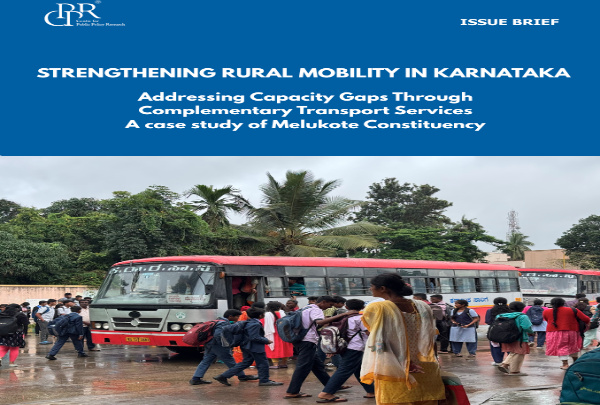
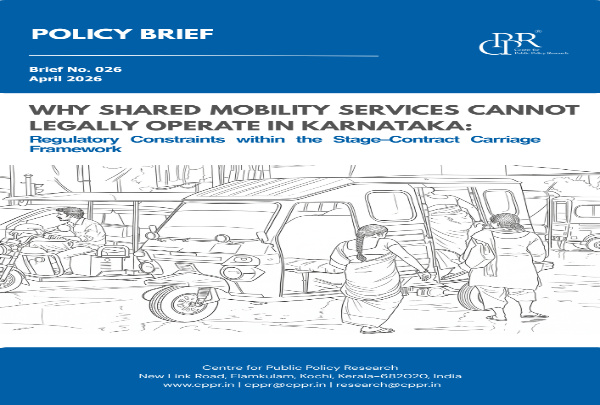
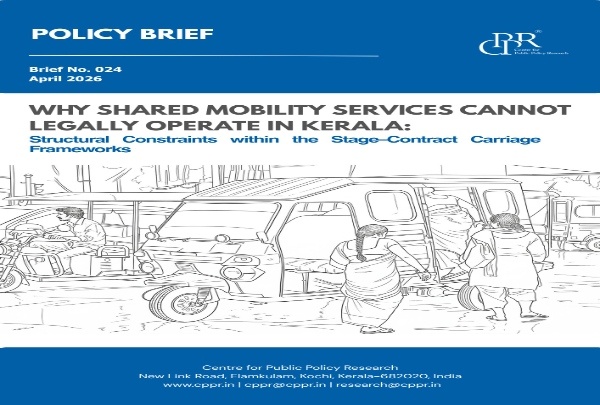
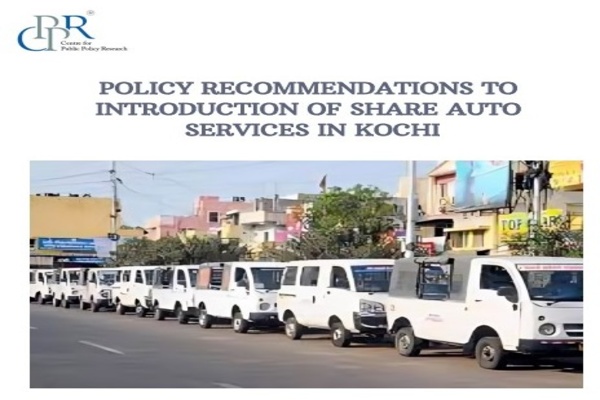
9 Articles | 5 Policy Briefs | 1 Issue brief | 2 Reports | 4 Podcasts | 7 Awareness Videos
- Identify regulatory and policy barriers that limit the recognition and integration of shared mobility
- Map existing shared mobility routes and transport gaps through fieldwork and crowdsourced data
- Propose reforms for legal recognition, safety standards, and integration with public transport
- Bring awareness to the critical role of the #SharedSavaari through storytelling, highlighting how accessible transport empowers women and rural communities.
- Build dialogue with planners, authorities, operators, and civil society toward more inclusive mobility policy and #UnlockSharedSavaari
What exactly is a “Shared Savaari” or Shared IPT?
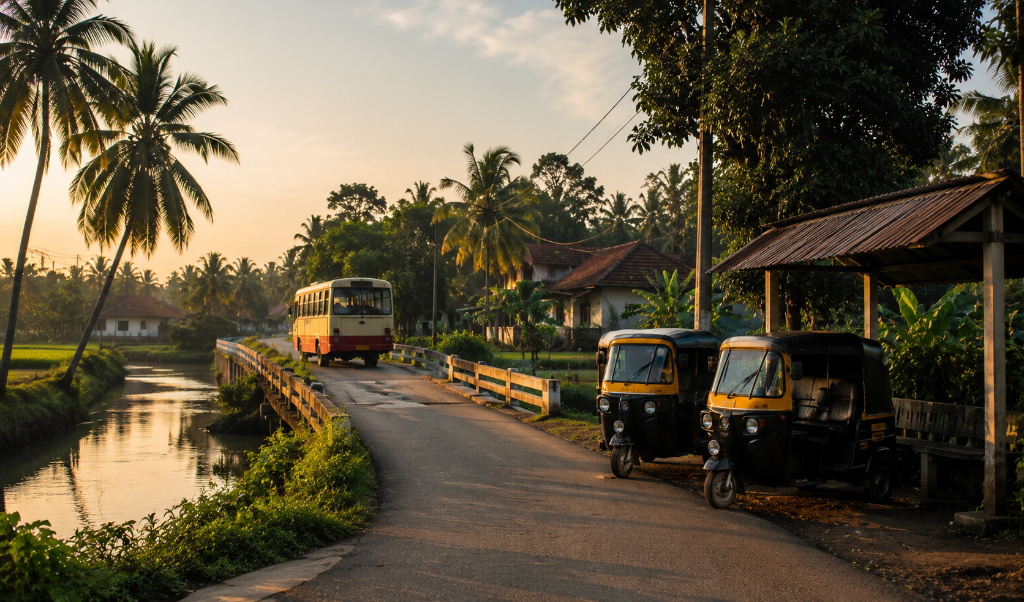
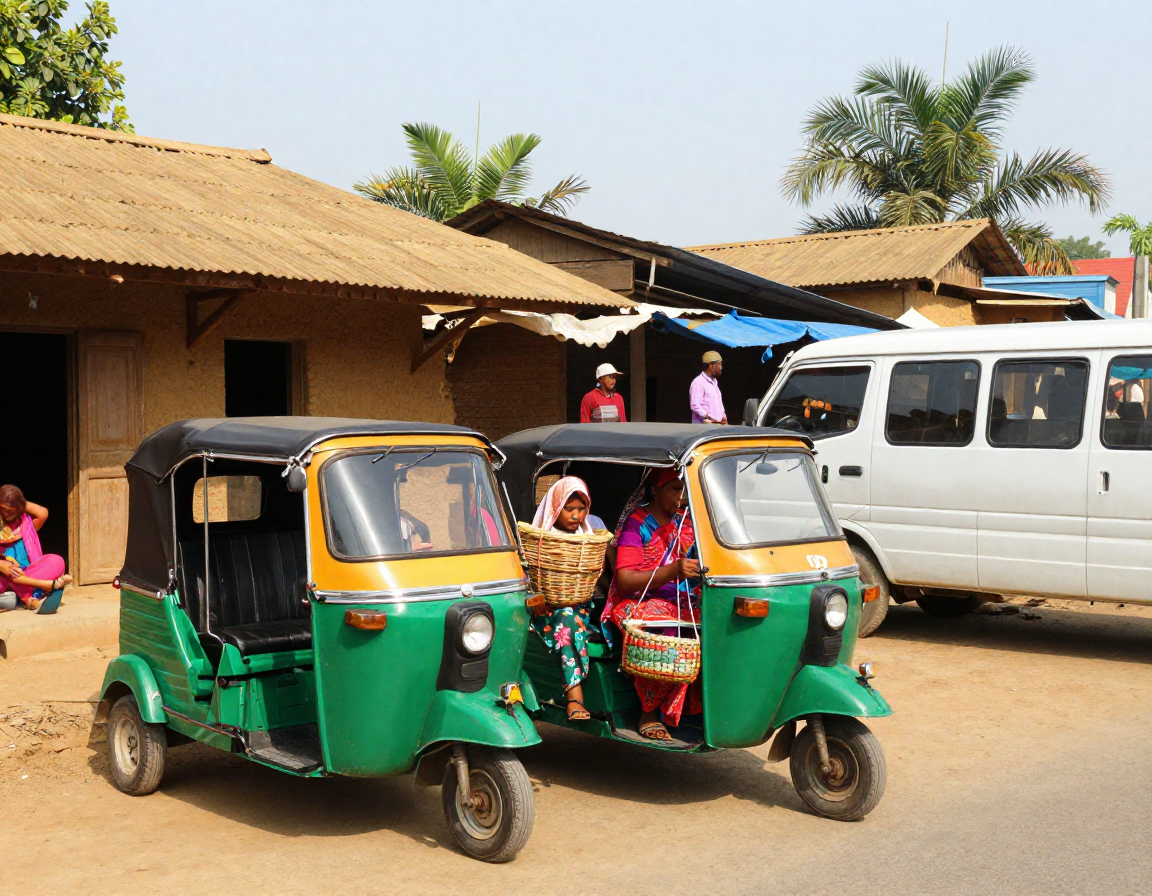
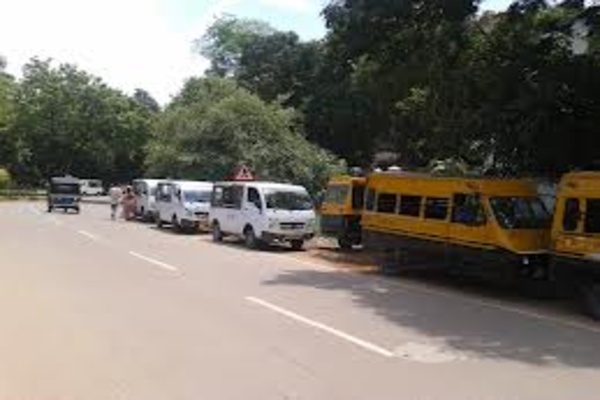
“Shared Savaari” refers to Shared Intermediate Public Transport (IPT), the shared autos, e-rickshaws, vans, and jeeps that operate on a per-seat basis. A single ride is split between many passengers. They usually operate on smaller vehicles, and serve as a middle layer of transport: more flexible than a bus, but more affordable than a private taxi. Shared Autos, Vikrams, Shared Taxis, Mini buses, vans, Jeeps commonly operate as shared vehicles.
Why #UnlockSharedSavaari? What is the policy hurdle facing shared mobility today?
There is a colonial-era legal distinction that makes it legally challenging to operate shared vehicles. Most shared vehicles are registered as “Contract Carriages” (meant to be hired for a whole trip, like a wedding). However, they operate similar to “Stage Carriages” (picking up individual passengers along a route). This distinction makes daily travel technically illegal, leaving drivers vulnerable to arbitrary fines.
If shared mobility is not permitted, how do so many places have shared autos and other services?
Some cities and states like Puducherry and Tamil Nadu, have taken a proactive approach by creating special orders and schemes for operations of shared IPT. But in most urban and rural areas without such schemes, these services operate informally to cover gaps in formal public transport availability. Sharing a ride is more affordable than hiring an entire “metered” auto or taxi for the last mile.
Why are we advocating for Shared IPT and not buses?
Buses are great for high-demand corridors, but they are often too large and expensive to run sparsely populated villages or in narrow urban and rural roads. In fact, many rural areas struggle in connectivity because buses only operate 2 or 3 times a day due to such low demand. Shared mobility can go where buses can’t. Recognizing them ensures these last-mile routes are connected.
How does “Unlocking Shared Savaari” help me?
It’s all about making your daily commute easier, faster, and more affordable. By supporting shared mobility (like share-autos, vans, and bike-taxis), we bridge the gap between big bus stops and your actual destination, so you don’t have to walk that exhausting “last mile.”
In areas where buses are infrequent, these “Savaaris” provide a reliable, frequent lifeline, saving you from long waits and the high costs of private vehicle ownership. Essentially, it’s about giving you the freedom to move without the stress or the heavy price tag.
How can I get involved with the Unlock Shared Savaari initiative?
We are documenting the reality of transport across India. You can help by sharing your shared savaari stories, reporting transport gaps in your area, or joining our dialogue sessions with planners and authorities. Check the webpage for more information!
Share Your Savaari Story
Ever had a long walk home from the bus stop or wished for a quicker way to bridge that ‘last mile’? We believe shared mobility is the key to better connectivity for everyone. By sharing your experience, whether it’s a daily struggle or a success story, you help us map out a future where no village or neighbourhood is left behind.
Event

Stories and Conversations
Prefer to read offline? Download the full PDF here.
The Road That Did Not Move
Articles & Commentaries


In Media


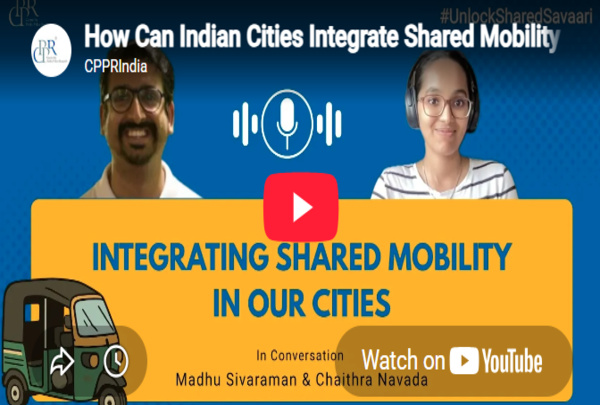
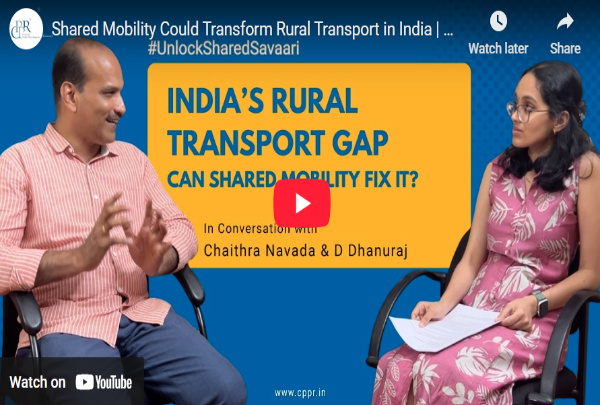
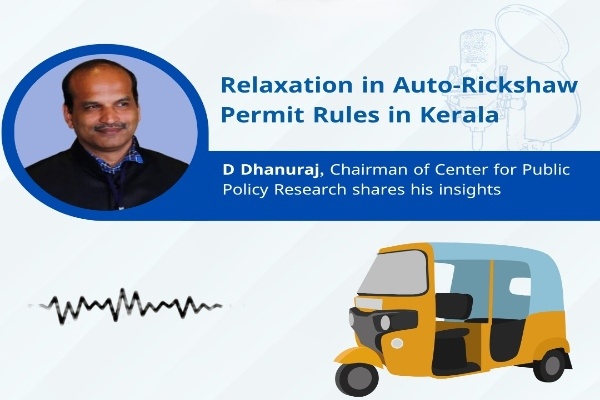
Podcasts & Conversations

Policy Briefs & Report



Social Media Highlights
Follow Us
Follow our social media handles to be updated with the initiative!




Write to us at [email protected]