
Projects
July 3, 2026
Organised by: Centre for Public Policy Research (CPPR), KochiIn collaboration with: Policy Planning & Research (PP&R) Division, Ministry of External Affairs, Government of IndiaDate: 18-20 November, 2026Venue: Kochi, Kerala, India Building the Next Chapter of India–GCC Relations Kochi Dialogue is […]
May 15, 2026

Local governance in India suffers from structural legal gaps: a deficit of in-house legal expertise at the municipal level, limited continuity across political transitions, and an absence of proactive legal oversight capable of serving both the institution and its citizens. […]
May 7, 2026

India and China are actively competing to expand their geopolitical influence in the Indian Ocean Region by investing in Sri Lanka’s renewable energy sector, each driven by distinct strategic motivations. Sri Lanka’s critical position along the world’s busiest maritime trade […]
April 16, 2026

In Short: India is racing toward a high-tech, clean-energy future, driven by ambitious climate goals and a push for domestic manufacturing. However, beneath the surface of this progress lies a critical bottleneck. While significant strides have been made in exploring […]
March 28, 2026
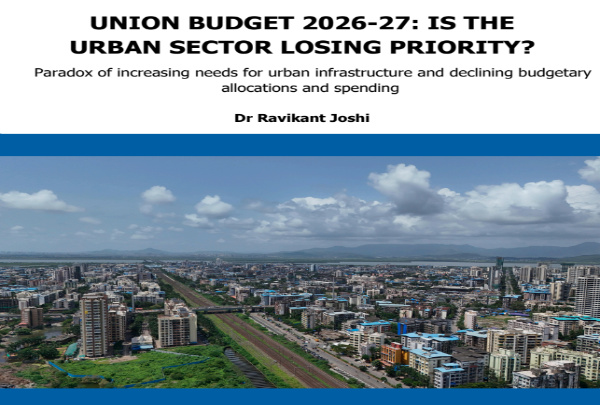
India’s rapid urbanisation has created an urgent demand for infrastructure investment, yet recent budgetary trends reveal a paradox of rising needs but declining allocations. This paper examines the Union Budget 2026–27 in the context of twelve years of Government of […]
March 6, 2026

The announced closure of the Strait of Hormuz marks a decisive escalation in Gulf geopolitics, transforming a long-anticipated risk into an immediate economic shock. In the aftermath of the reported death of Iran’s Supreme Leader, Ayatollah Ali Khamenei, Iranian authorities […]
March 4, 2026
Before the promise race begins in Tamil Nadu’s 2026 elections, the state’s growing debt and shrinking fiscal space deserve closer scrutiny. As Tamil Nadu heads toward Assembly elections in April–May this year (2026), the political atmosphere is already warming up, […]
February 24, 2026
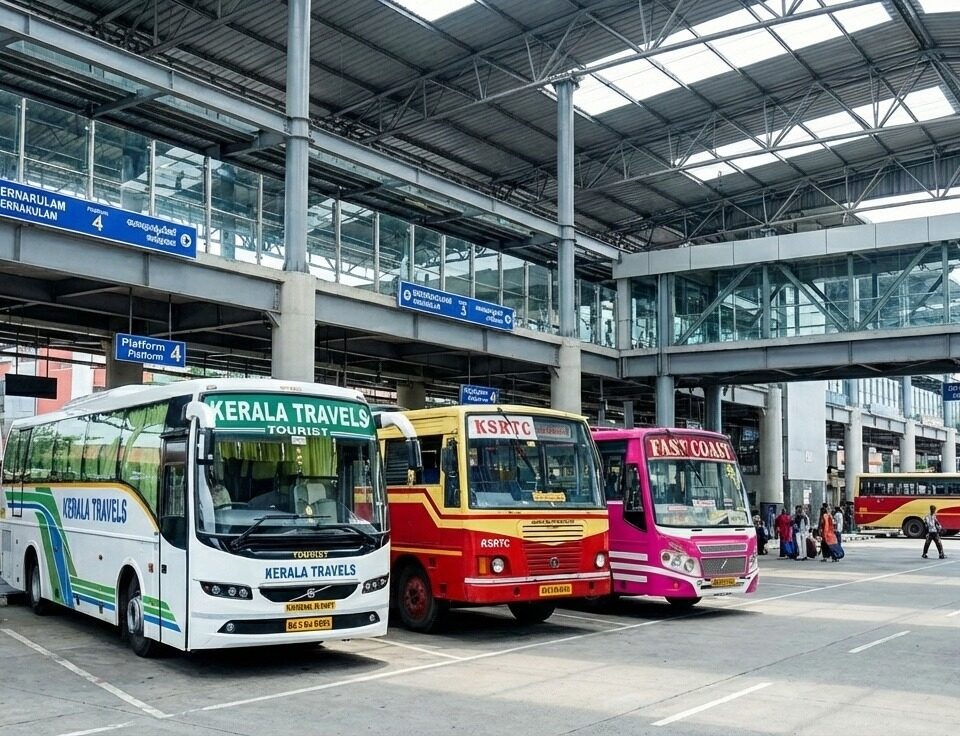
കെഎസ്ആർടിസിക്ക് ഗണ്യമായ സാമ്പത്തിക സഹായം നൽകിക്കൊണ്ട് പൊതുഗതാഗത സംവിധാനം നിലനിർത്താനുള്ള സംസ്ഥാനത്തിന്റെ പ്രതിജ്ഞാബദ്ധത കേരള ബജറ്റ് 2026 – 27 വീണ്ടും ഉയർത്തിക്കാട്ടി. ബജറ്റ് പ്രസംഗം അനുസരിച്ച്, ഈ ഗവൺമെന്റിന്റെ ഭരണകാലത്ത് ₹8,525.43 കോടി രൂപ കെഎസ്ആർടിസിക്ക് നൽകിയിട്ടുണ്ട് (ദിനംപ്രതി ശരാശരി ₹5 കോടി രൂപ). കെ.എസ്.ആർ.ടി.സിയിൽ ഇത്രയധികം നിക്ഷേപം നടത്തുമ്പോഴും, സർവീസുകളിൽ ഇന്നും വലിയൊരു […]
February 9, 2026

India built rural roads, but affordable transport services remain missing—deepening the rural mobility gap. Photo Credit: Hindustan Times This article examines the growing gap between rural road infrastructure and actual mobility in India. Despite massive investments in rural roads, the […]
February 9, 2026

By leveraging the Union Budget’s Rs 20,000 Crore CCUS outlay, India can transition its mono-industrial belts into liveable, high-functioning City Economic Regions (CERs). Photo Credit: Hindustan Times This article examines how India’s mono-industrial towns risk economic obsolescence in the face […]
February 6, 2026

ധനമന്ത്രി കെ. എൻ. ബാലഗോപാലിന്റെ ഏറ്റവും ദൈർഘ്യമേറിയ ബജറ്റ് പ്രസംഗങ്ങളിലൊന്നും തുടർച്ചയായ ആറാമത്തെ ബജറ്റുമാണിത്. മുൻ ബജറ്റുകളെപ്പോലെ ക്ഷേമ പ്രവർത്തനങ്ങൾക്കും ഉപഭോഗ പിന്തുണയ്ക്കും മുൻഗണന നൽകുന്ന സമീപനമാണ് ഇതിലും സ്വീകരിച്ചിരിക്കുന്നത്. ജൻഡർ ബഡ്ജറ്റ് 2025-ലെ 4840.12 കോടി രൂപയിൽ നിന്ന് 2026-ൽ 5586.99 കോടി രൂപയായി വർദ്ധിപ്പിച്ചു. മറ്റു സാമൂഹിക സുരക്ഷാ പദ്ധതികളിൽ ഉൾപ്പെടാത്ത സ്ത്രീകൾക്കും […]
February 6, 2026

2026-27 ലെ കേന്ദ്ര ബജറ്റ് ഉൽപ്പാദനക്ഷമത വർദ്ധിപ്പിക്കുന്നതിനും ഉയർന്ന മൂല്യമുള്ള വിളകളിലൂടെ കർഷകരുടെ വരുമാനം ഉയർത്തുന്നതിനും വലിയ മുൻഗണനയാണ് നൽകുന്നത്. തീരദേശങ്ങളിൽ തെങ്ങ്, ചന്ദനം, കൊക്കോ, കശുവണ്ടി എന്നിവയും, വടക്കു കിഴക്കൻ സംസ്ഥാനങ്ങളിൽ അഗർവുഡും, മലയോര മേഖലകളിൽ ബദാം, വാൽനട്ട് തുടങ്ങിയവയും പ്രോത്സാഹിപ്പിക്കുന്നതിലൂടെ വിപണി കേന്ദ്രീകൃതമായ ഒരു കൃഷിരീതിയിലേക്കാണ് കേന്ദ്രം വിരൽ ചൂണ്ടുന്നത്. ഈ മാറ്റങ്ങളിൽ […]
February 6, 2026

The Union Budget 2026–27 marks a shift in urban policy, positioning cities as economic engines while reducing central support. With greater reliance on markets and local bodies, urban growth now enters a more uncertain phase. The Union Budget 2026–27 signals […]
February 6, 2026

The Gender Budget 2026 shows higher allocations but limited structural reform, continuing to prioritise time-saving welfare over gender-transformative outcomes. Without convergence, care infrastructure, and outcome assessment, increased spending alone may not improve women’s economic mobility. The Gender Budget 2026 accounts […]
February 5, 2026





Addressing India–Maldives relations, this session focused on maritime cooperation, regional stability, and the MAHASAGAR initiative in the Indian Ocean Region.