


Why Shared Mobility Services Cannot Legally Operate in Kerala: Structural Constraints within the Stage–Contract Carriage Framework
April 7, 2026
Shared Mobility in Karnataka: Regulatory Constraints within the Stage–Contract Carriage Framework
April 7, 2026Shared Mobility Services in Tamil Nadu: Regulatory Ambiguities within the Stage–Contract Carriage Framework
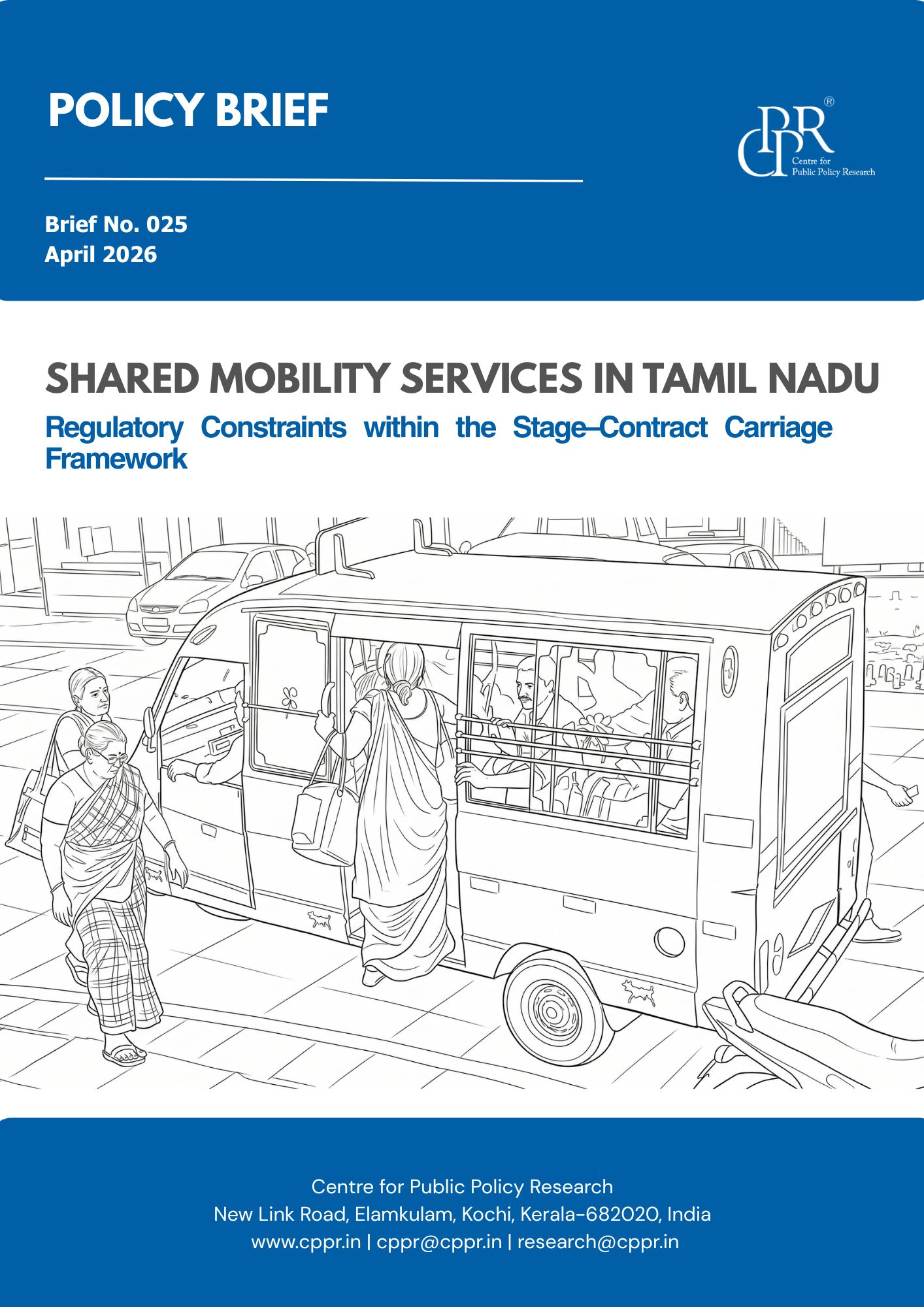
Shared mobility services using small passenger vehicles (share autorickshaws) are commonly observed in urban corridors of Tamil Nadu. However, the legal framework governing these services continues to rely on the traditional contract carriage under the Motor Vehicles Act, 1988. While the Tamil Nadu rules recognise a category of “share autorickshaw”, these vehicles typically operate under contract carriage permits, which legally assume exclusive hiring by a single party. Contract carriage regulations impose operational conditions such as shortest-route obligations, taxi meter requirements, and stand-based operations that are inconsistent with the operational logic of shared passenger services. As a result, shared mobility services in Tamil Nadu operate within a regulatory grey area rather than under a clearly defined statutory framework.
At the same time, Tamil Nadu’s rural mobility landscape has historically relied on small-vehicle public transport systems such as the minibus scheme, introduced to connect unserved villages. However, declining minibus numbers and persistent financial sustainability challenges have created new mobility gaps in rural areas. The Motor Vehicles (Amendment) Act, 2019, provides states with the statutory authority to redesign permit structures and introduce transport schemes to strengthen last-mile connectivity and rural transport systems. Leveraging these powers could provide Tamil Nadu with a clearer regulatory pathway to formalise shared mobility services and address emerging mobility needs.
Policy Brief
- CPPR Media&PR
- CPPR Media&PR
- CPPR Media&PR
- CPPR Media&PR
- CPPR Media&PR
- CPPR Media&PR
- CPPR Media&PR
- CPPR Media&PR
- CPPR Media&PR
- CPPR Media&PR
- CPPR Media&PR
- CPPR Media&PR
- CPPR Media&PR
- CPPR Media&PR
- CPPR Media&PR
- CPPR Media&PR
- CPPR Media&PR
- CPPR Media&PR
- CPPR Media&PR
- CPPR Media&PR
- CPPR Media&PR
- CPPR Media&PR
- CPPR Media&PR
- CPPR Media&PR
- CPPR Media&PR
- CPPR Media&PR
- CPPR Media&PR
- CPPR Media&PR
- CPPR Media&PR
- CPPR Media&PR
- CPPR Media&PR
- CPPR Media&PR
- CPPR Media&PR
- CPPR Media&PR
- CPPR Media&PR
- CPPR Media&PR
- CPPR Media&PR
- CPPR Media&PR
- CPPR Media&PR
- CPPR Media&PR
- CPPR Media&PR
- CPPR Media&PR
- CPPR Media&PR
- CPPR Media&PR
- CPPR Media&PR
- CPPR Media&PR
- CPPR Media&PR
- CPPR Media&PR
- CPPR Media&PR
- CPPR Media&PR
- CPPR Media&PR
- CPPR Media&PR
- CPPR Media&PR
- CPPR Media&PR
- CPPR Media&PR
- CPPR Media&PR
- CPPR Media&PR
- CPPR Media&PR
- CPPR Media&PR
- CPPR Media&PR
- CPPR Media&PR
- CPPR Media&PR
- CPPR Media&PR
- CPPR Media&PR
- CPPR Media&PR
- CPPR Media&PR
- CPPR Media&PR
- CPPR Media&PR
- CPPR Media&PR
- CPPR Media&PR
- CPPR Media&PR
- CPPR Media&PR
- CPPR Media&PR
- CPPR Media&PR
- CPPR Media&PR
- CPPR Media&PR
- CPPR Media&PR
- CPPR Media&PR
- CPPR Media&PR
- CPPR Media&PR
- CPPR Media&PR
- CPPR Media&PR
- CPPR Media&PR
- CPPR Media&PR
- CPPR Media&PR
- CPPR Media&PR
- CPPR Media&PR
- CPPR Media&PR
- CPPR Media&PR
- CPPR Media&PR
- CPPR Media&PR
- CPPR Media&PR
- CPPR Media&PR
- CPPR Media&PR
- CPPR Media&PR
- CPPR Media&PR
- CPPR Media&PR
- CPPR Media&PR
- CPPR Media&PR
- CPPR Media&PR
- CPPR Media&PR
- CPPR Media&PR
- CPPR Media&PR
- CPPR Media&PR
- CPPR Media&PR
- CPPR Media&PR
- CPPR Media&PR
- CPPR Media&PR
- CPPR Media&PR
- CPPR Media&PR
- CPPR Media&PR
- CPPR Media&PR
- CPPR Media&PR
- CPPR Media&PR
- CPPR Media&PR
- CPPR Media&PR
- CPPR Media&PR
- CPPR Media&PR
- CPPR Media&PR
- CPPR Media&PR
- CPPR Media&PR
- CPPR Media&PR
- CPPR Media&PR
- CPPR Media&PR
- CPPR Media&PR
- CPPR Media&PR
- CPPR Media&PR
- CPPR Media&PR
- CPPR Media&PR
- CPPR Media&PR
- CPPR Media&PR
- CPPR Media&PR
- CPPR Media&PR
- CPPR Media&PR
- CPPR Media&PR
- CPPR Media&PR
- CPPR Media&PR
- CPPR Media&PR
- CPPR Media&PR
- CPPR Media&PR
- CPPR Media&PR
- CPPR Media&PR
- CPPR Media&PR
- CPPR Media&PR
- CPPR Media&PR
- CPPR Media&PR
- CPPR Media&PR
- CPPR Media&PR
- CPPR Media&PR
- CPPR Media&PR
- CPPR Media&PR
- CPPR Media&PR
- CPPR Media&PR
- CPPR Media&PR
- CPPR Media&PR
- CPPR Media&PR
- CPPR Media&PR
- CPPR Media&PR
- CPPR Media&PR
- CPPR Media&PR
- CPPR Media&PR
- CPPR Media&PR
- CPPR Media&PR
- CPPR Media&PR
- CPPR Media&PR
- CPPR Media&PR
- CPPR Media&PR
- CPPR Media&PR
- CPPR Media&PR
- CPPR Media&PR
- CPPR Media&PR
- CPPR Media&PR
- CPPR Media&PR
- CPPR Media&PR
- CPPR Media&PR
- CPPR Media&PR
- CPPR Media&PR
- CPPR Media&PR
- CPPR Media&PR
- CPPR Media&PR
- CPPR Media&PR
- CPPR Media&PR
- CPPR Media&PR
- CPPR Media&PR
- CPPR Media&PR
- CPPR Media&PR
- CPPR Media&PR
- CPPR Media&PR
- CPPR Media&PR
- CPPR Media&PR
- CPPR Media&PR
- CPPR Media&PR
- CPPR Media&PR
- CPPR Media&PR
- CPPR Media&PR
- CPPR Media&PR
- CPPR Media&PR
- CPPR Media&PR
- CPPR Media&PR
- CPPR Media&PR
- CPPR Media&PR
- CPPR Media&PR
- CPPR Media&PR
- CPPR Media&PR
- CPPR Media&PR
- CPPR Media&PR
- CPPR Media&PR
- CPPR Media&PR
- CPPR Media&PR
- CPPR Media&PR
- CPPR Media&PR
- CPPR Media&PR
- CPPR Media&PR
- CPPR Media&PR
- CPPR Media&PR
- CPPR Media&PR
- CPPR Media&PR
- CPPR Media&PR
- CPPR Media&PR
- CPPR Media&PR
- CPPR Media&PR
- CPPR Media&PR
- CPPR Media&PR
- CPPR Media&PR
- CPPR Media&PR
- CPPR Media&PR
- CPPR Media&PR
- CPPR Media&PR
- CPPR Media&PR
- CPPR Media&PR
- CPPR Media&PR
- CPPR Media&PR
- CPPR Media&PR
- CPPR Media&PR
- CPPR Media&PR
- CPPR Media&PR
- CPPR Media&PR
- CPPR Media&PR
- CPPR Media&PR
- CPPR Media&PR
- CPPR Media&PR
- CPPR Media&PR
- CPPR Media&PR
- CPPR Media&PR
- CPPR Media&PR
- CPPR Media&PR
- CPPR Media&PR
- CPPR Media&PR
- CPPR Media&PR
- CPPR Media&PR
- CPPR Media&PR
- CPPR Media&PR
- CPPR Media&PR
- CPPR Media&PR
- CPPR Media&PR
- CPPR Media&PR
- CPPR Media&PR
- CPPR Media&PR
- CPPR Media&PR
- CPPR Media&PR
- CPPR Media&PR
- CPPR Media&PR
- CPPR Media&PR
- CPPR Media&PR
- CPPR Media&PR
- CPPR Media&PR
- CPPR Media&PR
- CPPR Media&PR
- CPPR Media&PR
- CPPR Media&PR
- CPPR Media&PR
- CPPR Media&PR
- CPPR Media&PR
- CPPR Media&PR
- CPPR Media&PR
- CPPR Media&PR
- CPPR Media&PR
- CPPR Media&PR
- CPPR Media&PR
- CPPR Media&PR
- CPPR Media&PR
- CPPR Media&PR
- CPPR Media&PR
- CPPR Media&PR
- CPPR Media&PR
- CPPR Media&PR
- CPPR Media&PR
- CPPR Media&PR
- CPPR Media&PR
- CPPR Media&PR
- CPPR Media&PR
- CPPR Media&PR
- CPPR Media&PR
- CPPR Media&PR
- CPPR Media&PR
- CPPR Media&PR
- CPPR Media&PR
- CPPR Media&PR
- CPPR Media&PR
- CPPR Media&PR
- CPPR Media&PR
- CPPR Media&PR
- CPPR Media&PR
- CPPR Media&PR
- CPPR Media&PR
- CPPR Media&PR
- CPPR Media&PR
- CPPR Media&PR
- CPPR Media&PR
- CPPR Media&PR
- CPPR Media&PR
- CPPR Media&PR
- CPPR Media&PR
- CPPR Media&PR
- CPPR Media&PR
- CPPR Media&PR
- CPPR Media&PR
- CPPR Media&PR
- CPPR Media&PR
- CPPR Media&PR
- CPPR Media&PR
- CPPR Media&PR
- CPPR Media&PR
- CPPR Media&PR
- CPPR Media&PR
- CPPR Media&PR
- CPPR Media&PR
- CPPR Media&PR
- CPPR Media&PR
- CPPR Media&PR
- CPPR Media&PR
- CPPR Media&PR
- CPPR Media&PR
- CPPR Media&PR
- CPPR Media&PR
- CPPR Media&PR
- CPPR Media&PR
- CPPR Media&PR
- CPPR Media&PR
- CPPR Media&PR
- CPPR Media&PR
- CPPR Media&PR
- CPPR Media&PR
- CPPR Media&PR
- CPPR Media&PR
- CPPR Media&PR
- CPPR Media&PR
- CPPR Media&PR
- CPPR Media&PR
- CPPR Media&PR
- CPPR Media&PR
- CPPR Media&PR
- CPPR Media&PR
- CPPR Media&PR
- CPPR Media&PR
- CPPR Media&PR
- CPPR Media&PR
- CPPR Media&PR
- CPPR Media&PR
- CPPR Media&PR
- CPPR Media&PR
- CPPR Media&PR
- CPPR Media&PR
- CPPR Media&PR
- CPPR Media&PR
- CPPR Media&PR
- CPPR Media&PR
- CPPR Media&PR
- CPPR Media&PR
- CPPR Media&PR
- CPPR Media&PR
- CPPR Media&PR
- CPPR Media&PR
- CPPR Media&PR
- CPPR Media&PR
- CPPR Media&PR
- CPPR Media&PR
- CPPR Media&PR
- CPPR Media&PR
- CPPR Media&PR
- CPPR Media&PR
- CPPR Media&PR
- CPPR Media&PR
- CPPR Media&PR
- CPPR Media&PR
- CPPR Media&PR
- CPPR Media&PR
- CPPR Media&PR
- CPPR Media&PR
- CPPR Media&PR
- CPPR Media&PR
- CPPR Media&PR
- CPPR Media&PR
- CPPR Media&PR
- CPPR Media&PR
- CPPR Media&PR
- CPPR Media&PR
- CPPR Media&PR
- CPPR Media&PR
- CPPR Media&PR
- CPPR Media&PR
- CPPR Media&PR
- CPPR Media&PR
- CPPR Media&PR
- CPPR Media&PR
- CPPR Media&PR
- CPPR Media&PR
- CPPR Media&PR
- CPPR Media&PR
- CPPR Media&PR
- CPPR Media&PR
- CPPR Media&PR
- CPPR Media&PR
- CPPR Media&PR
- CPPR Media&PR
- CPPR Media&PR
- CPPR Media&PR
- CPPR Media&PR
- CPPR Media&PR
- CPPR Media&PR
- CPPR Media&PR
- CPPR Media&PR
- CPPR Media&PR
- CPPR Media&PR
- CPPR Media&PR
- CPPR Media&PR
- CPPR Media&PR
- CPPR Media&PR
- CPPR Media&PR
- CPPR Media&PR
- CPPR Media&PR
- CPPR Media&PR
- CPPR Media&PR
- CPPR Media&PR
- CPPR Media&PR
- CPPR Media&PR
- CPPR Media&PR
- CPPR Media&PR
- CPPR Media&PR
- CPPR Media&PR
- CPPR Media&PR
- CPPR Media&PR
- CPPR Media&PR
- CPPR Media&PR
- CPPR Media&PR
- CPPR Media&PR
- CPPR Media&PR
- CPPR Media&PR
- CPPR Media&PR
