

D Dhanuraj
Chairman


Core Areas of Expertise:
Urbanisation, Urban Transport & Infrastructure, Education, Health, Livelihood, Law, and Election Analysis.
Dr Dhanuraj is the Chairman of the Board of Trustees and the Chief Executive of CPPR of which he is also one of the founding members. He holds a PhD in Science & Humanities (Anna University), MSc Physics (Mahatma Gandhi University) and MA Political Science (Madras Christian College). He also holds a Post Graduate Executive Diploma in International Business from Loyola Institute of Business Administration, Chennai, and has undergone training by TTMBA of Atlas USA, IAF Germany, FEE USA, etc.
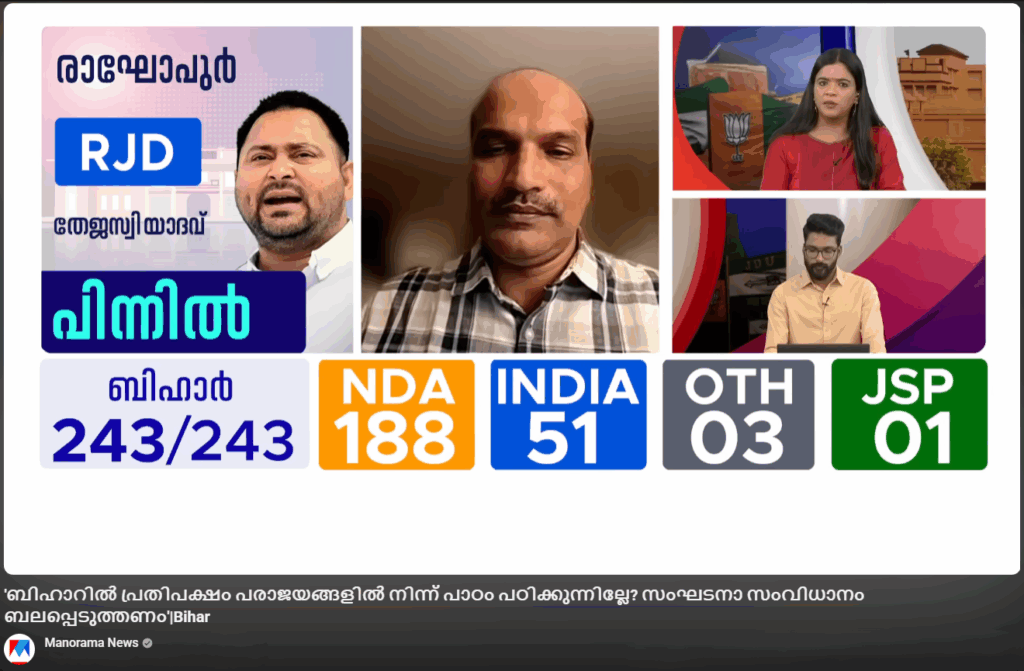
Dhanuraj started his career as a Research Associate in 2003. His core areas of expertise are in urbanisation, urban transport & infrastructure, education, health, livelihood, law, and election analysis. He has worked with different governments (international, national and state), international and national NGOs, corporate houses, development organisations, and educational institutions. Dhanuraj also is a well-known panelist on primetime news on regional news channels and writes extensively for news portals and magazines.
Articles

The Workers Keralam Does Not See
Three months on, the CorroHealth file is closed. Some 800 employees in Kochi and Kozhikode were relieved overnight on 3 July; by 20 July the company had settled for seven months’ gross salary. The employees had asked for reinstatement; they […]

Put the ‘Public’ in ITLA: Move People and Goods, Not Just Plans
A Welcome First Step On Tuesday, the Union Cabinet approved the Integrated Transport & Logistics Authority (ITLA) as a Special Purpose Vehicle (SPV) housed under the Department for Promotion of Industry and Internal Trade (DPIIT). Its mandate is to strengthen […]
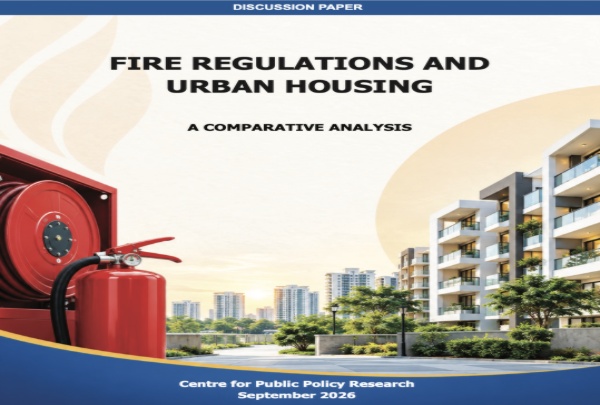
Fire Regulations and Urban Housing – A Comparative Analysis
India faces a shortage of about 9.4 million affordable homes in its cities, and building upwards is one of the few ways to close that gap on scarce urban land. Fire-safety rules are essential to protect residents, but they also […]
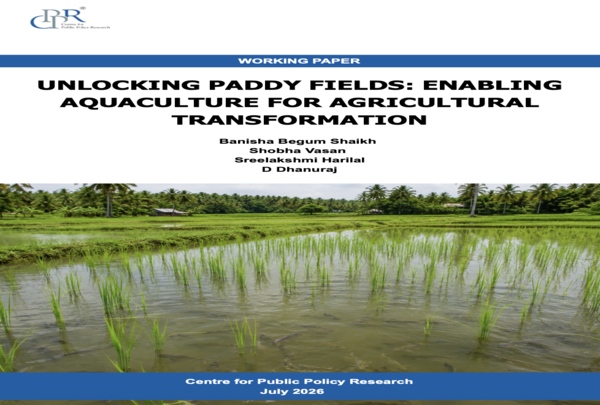
Unlocking Paddy Fields: Enabling Aquaculture for Agricultural Transformation
Kerala, endowed with an extensive network of rivers, backwaters, wetlands, and paddy fields, possesses immense potential for inland fisheries and aquaculture. Despite these natural advantages and a strong fisheries tradition, the state continues to depend predominantly on marine fisheries, while […]

Missing craft in India’s public policy classrooms
Another academic year is opening in India, and with it, a fresh crop of institutions is announcing public policy programmes. Public policy has become something of a fashion statement in the university education world. Many will argue that they are […]
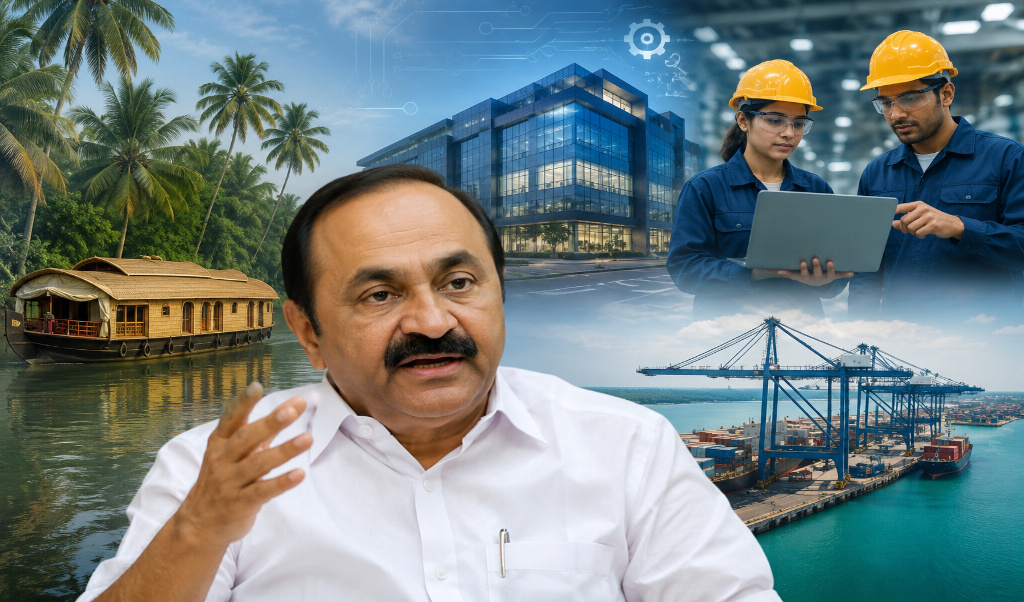
Not another subsidy package — Kerala needs a blueprint for 2030
As Kerala’s new government presents its first Budget, this article argues that the state cannot compete through subsidies alone. Instead, Kerala must build a credible investment ecosystem based on regulatory certainty, labour flexibility, innovation, industry-academia collaboration, and quality of life […]
Kerala Girl Student Migration Study
The Kerala Girl Student Migration Study by the Centre for Public Policy Research (CPPR) examines the growing trend of overseas educational migration among students from Kerala, with a particular focus on young women. Drawing on extensive field research and survey […]
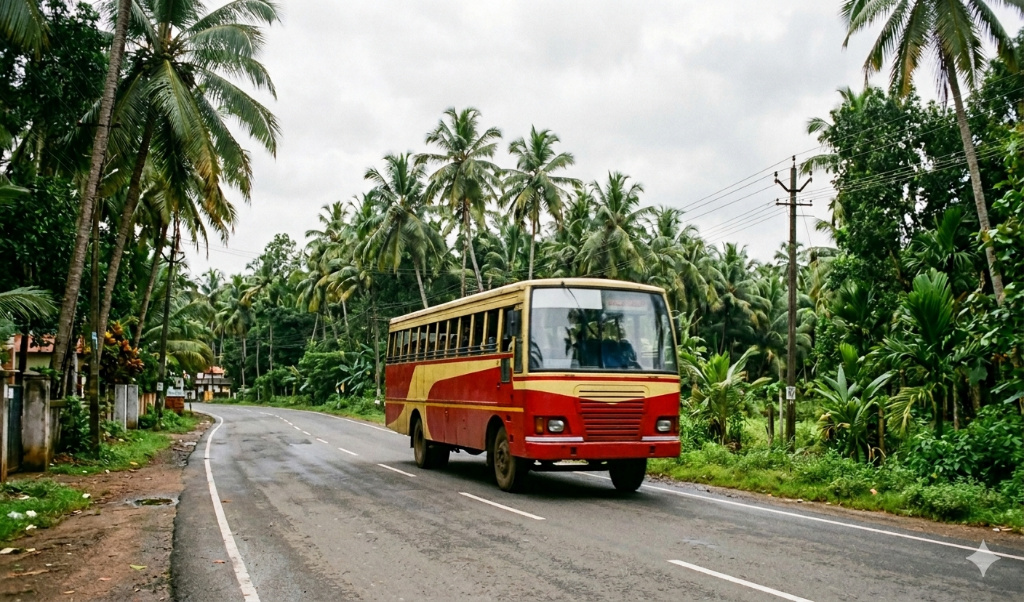
Free bus rides for women will win a news cycle. States must aim to build transit networks that last
Kerala’s public transport sector is at a crossroads. With the new government scrapping the SilverLine project, proposing a regional rapid-rail corridor, and announcing free KSRTC bus travel for women under the ‘Indira Guarantee’, the policy conversation is once again dominated […]
India must retire the permit raj in public transport
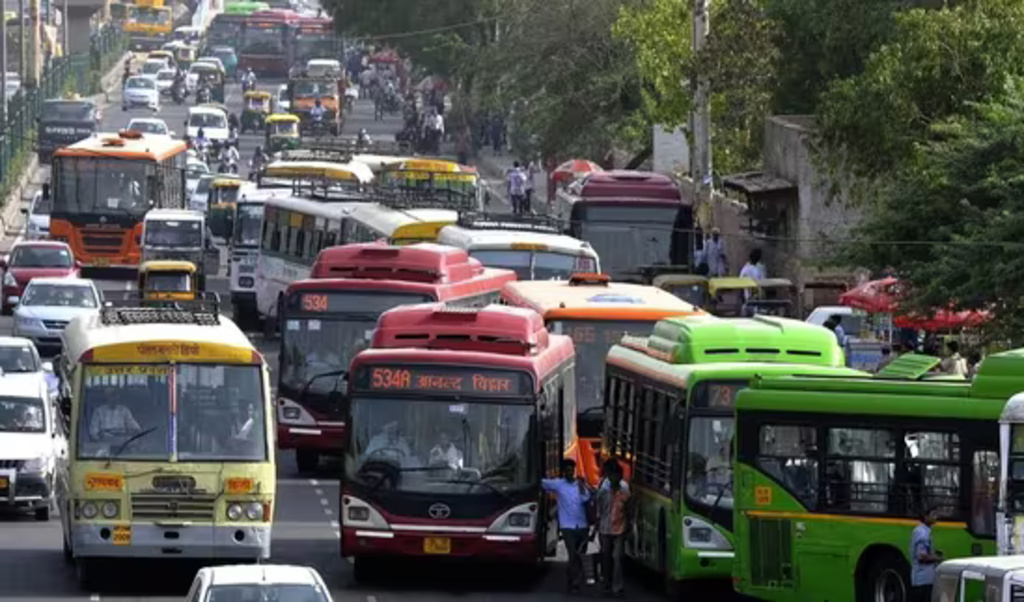
In a recent development, the Union Ministry of Housing and Urban Affairs (MoHUA) has initiated a multi‑state survey across 13 Indian states to examine why urban residents continue to prefer private vehicles to public transport. The survey will assess people’s […]
The Educator-in-Chief: Where CM Satheesan Cannot Go Wrong
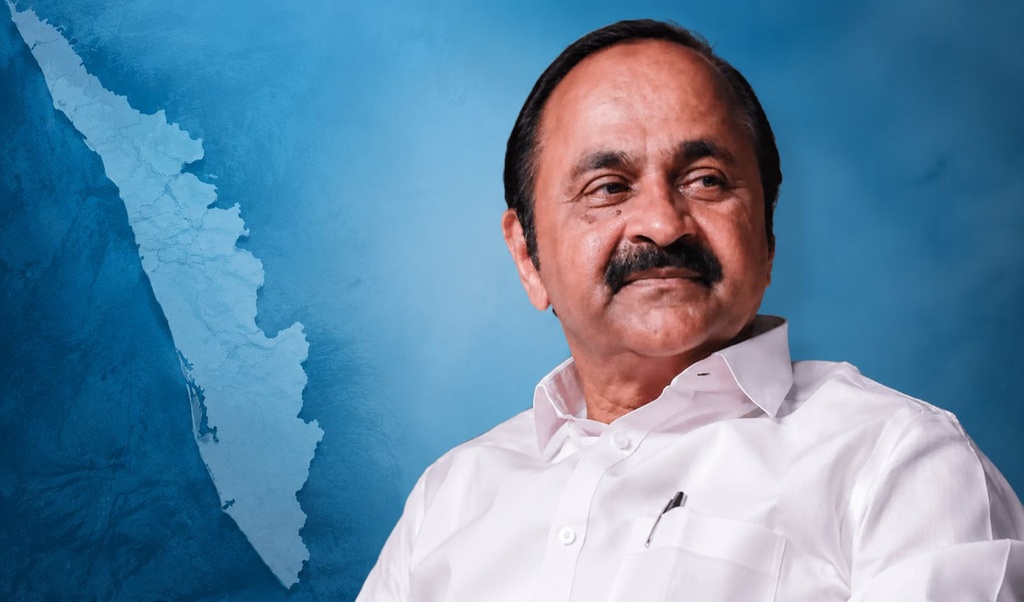
With the United Democratic Front’s historic mandate in the 2026 Assembly elections, V.D. Satheesan steps into Cliff House not merely as Kerala’s thirteenth Chief Minister, but as the custodian of an unprecedented generational hope. The massive support that propelled […]
Empowering Communities: The Role of a City Attorney in India
Local governance in India suffers from structural legal gaps: a deficit of in-house legal expertise at the municipal level, limited continuity across political transitions, and an absence of proactive legal oversight capable of serving both the institution and its citizens. […]
Beyond the State’s Business Class: Why Kerala’s Bus Permit Regime Needs Retirement
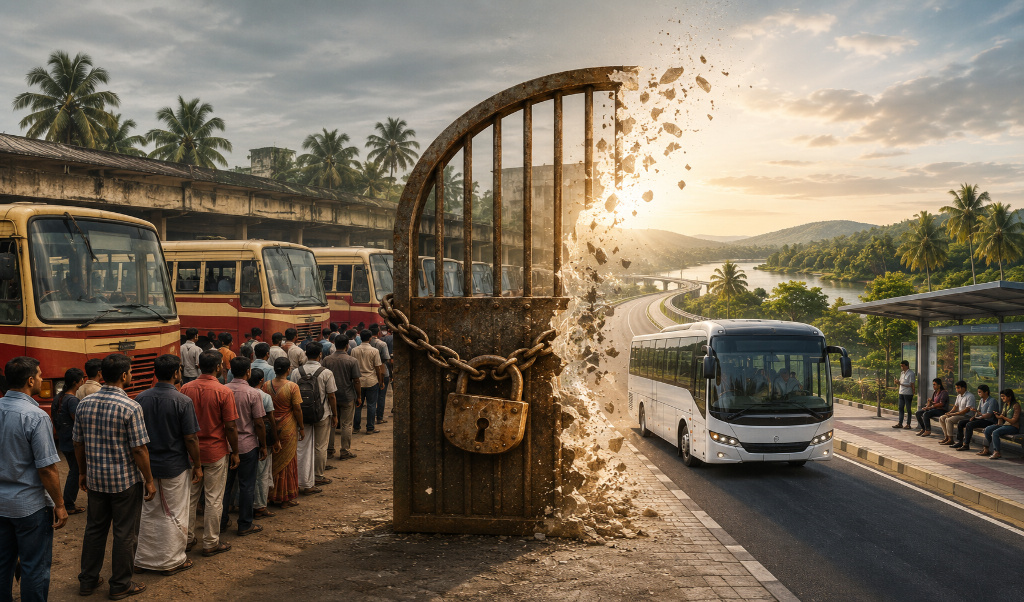
The Kerala State Road Transport Corporation’s announcement of “Business Class” Volvo services on the Kochi–Thiruvananthapuram corridor is, in one sense, a candid admission. The state has conceded what commuters have known for years: public transit in Kerala is failing travellers. […]
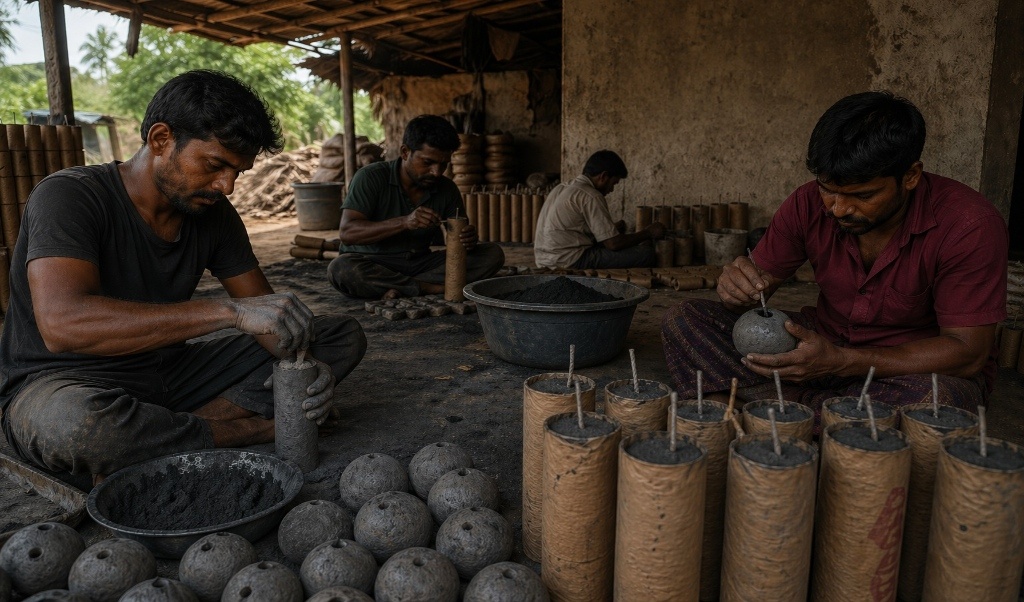
The Shadow of the Spark: Why Kerala’s Fireworks Regulations are Backfiring
The catastrophic blast in Thrissur in April 2026 was not merely an industrial accident; it was a predictable outcome of a regulatory philosophy that prioritizes prohibition over partnership. As the smoke cleared, the familiar cycle of “Stop Memos,” police raids, […]

Enabling Diversification and Enhancing Competitiveness in Kerala’s Plantation Economy
Kerala has long been regarded as the “Plantation Enclave of India” (Kerala State Planning Board 2022), with crops such as tea, coffee, rubber, and cardamom occupying nearly 29% of the state’s gross cropped area, with over 10 lakh growers/farmers dependent […]

Rethinking Leasing Restrictions Under the Kerala Land Reforms Framework
The Kerala Land Reforms Act, 1963 (KLR Act) is widely regarded as one of India’s most progressive redistributive land reform legislations, having dismantled intermediary tenures and conferred ownership rights on cultivating tenants. While its equity objectives were historically transformative, the […]
Articles