
Reports & Papers
June 5, 2026
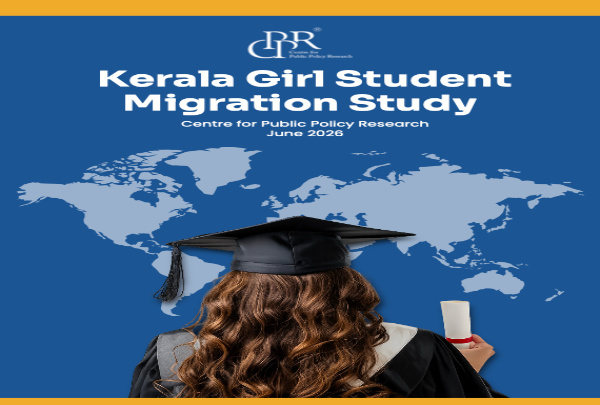
The Kerala Girl Student Migration Study by the Centre for Public Policy Research (CPPR) examines the growing trend of overseas educational migration among students from Kerala, with a particular focus on young women. Drawing on extensive field research and survey […]
February 25, 2026
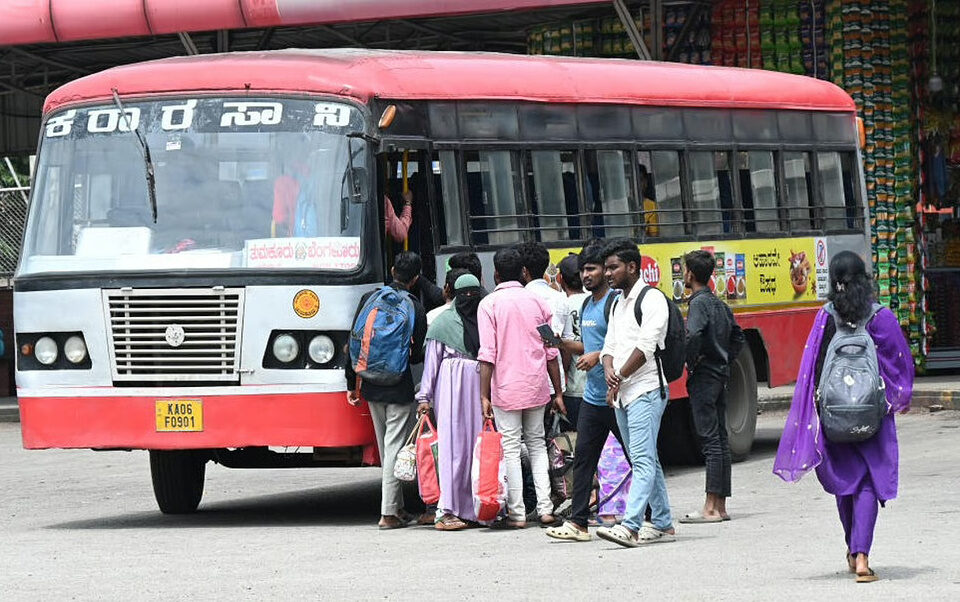
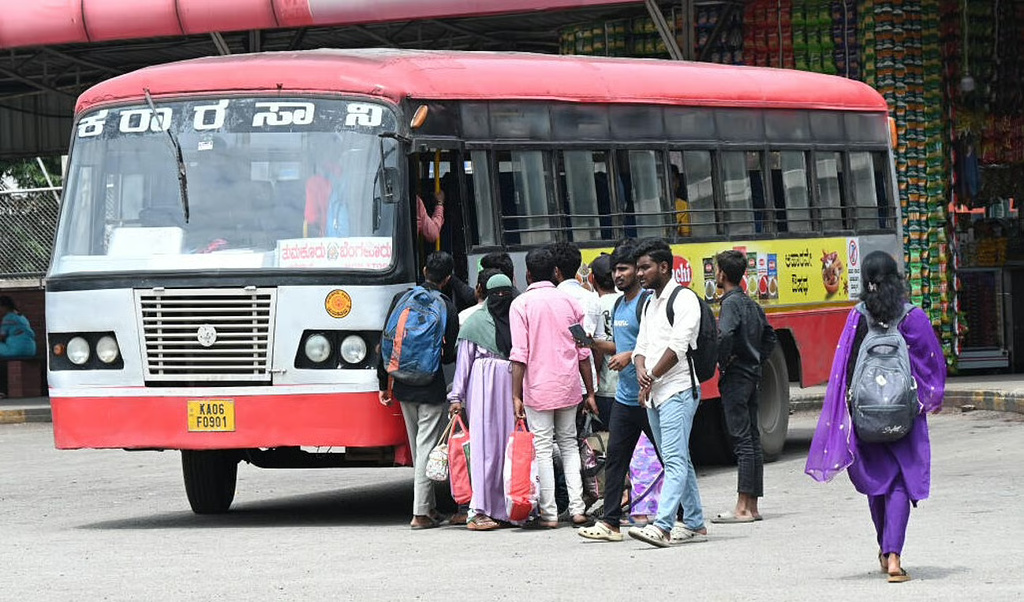
Photo Credit: Deccan Herald Karnataka has improved transport affordability through subsidies and schemes, yet reliable access remains uneven in rural areas. Using insights from Melukote, this article examines how limited services, regulatory barriers, and weak last-mile connectivity continue to restrict […]
December 29, 2025
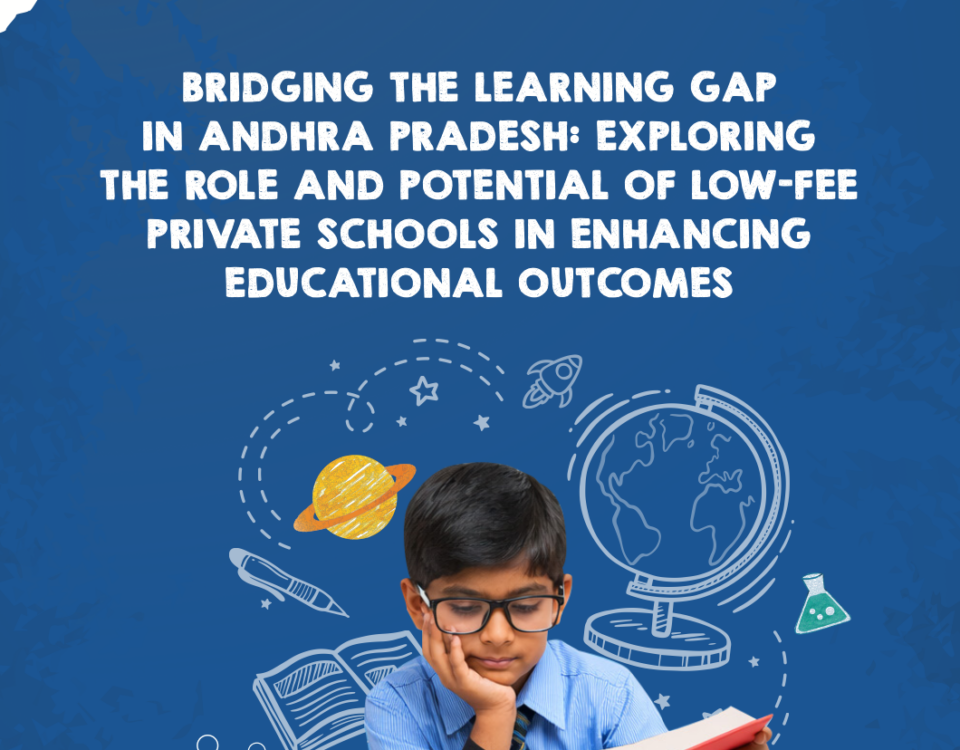
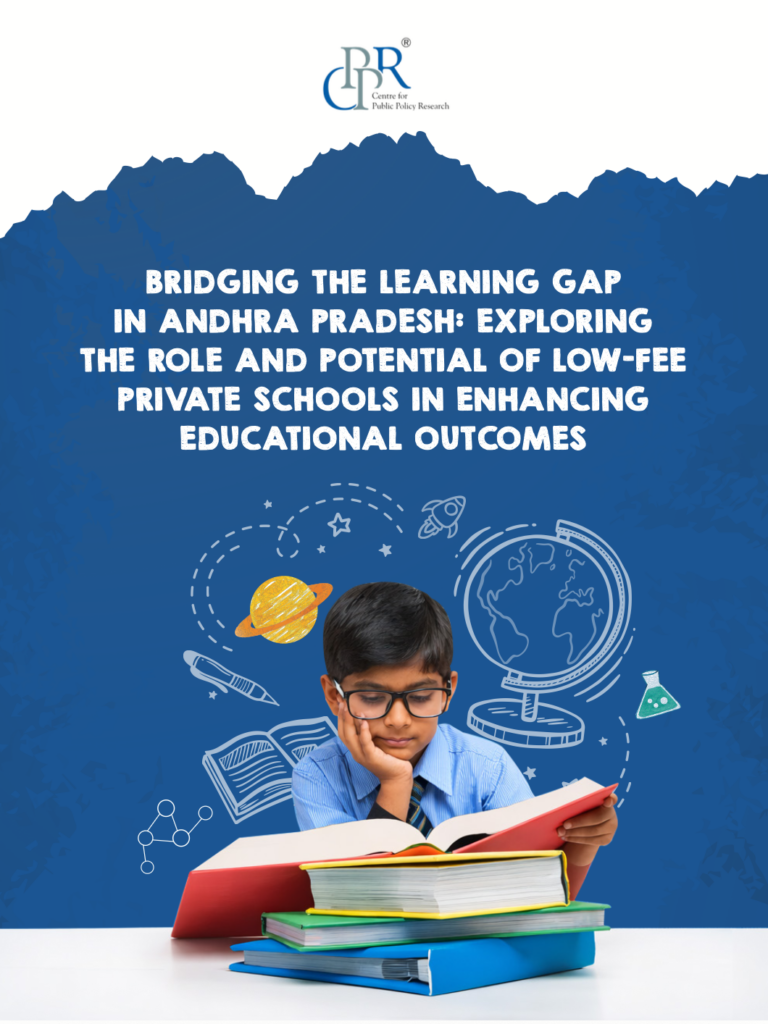
Low-fee private schools (LFPS) in Andhra Pradesh provide affordable education to children from lower- and lower-middle-income households. Charging modest monthly fees (₹400–₹3,500), these schools make English-medium and nationally affiliated education accessible to families who cannot afford high-end private schools. Over […]
December 29, 2025
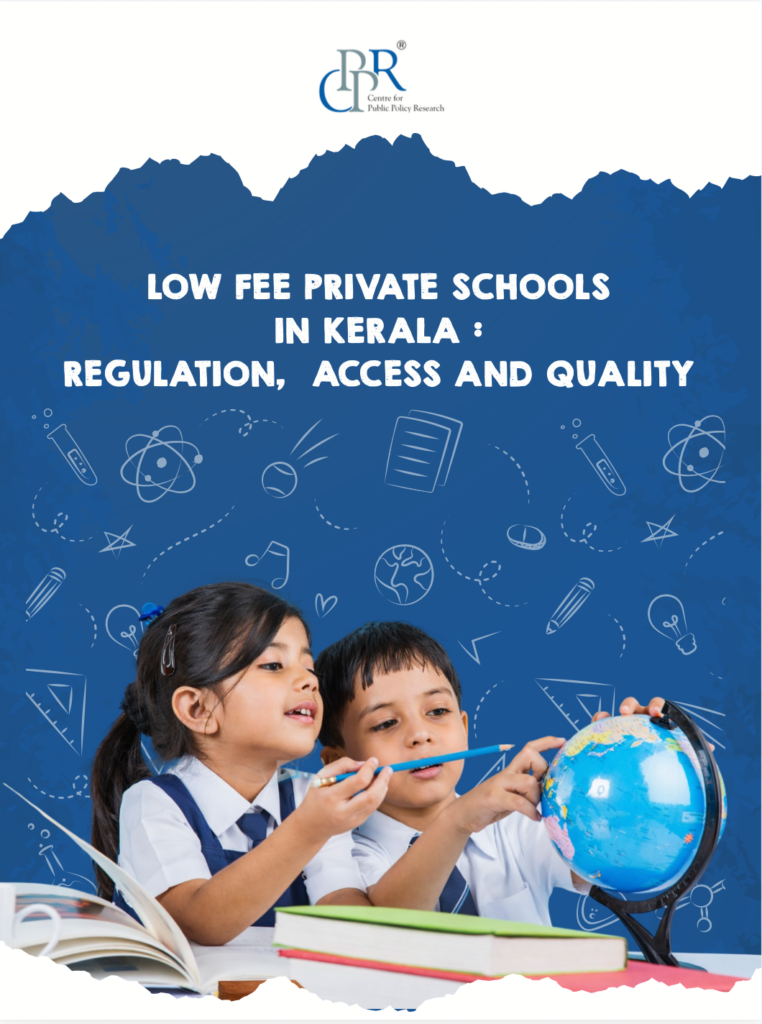
Low-fee private schools (LFPS) in Kerala provide an affordable alternative to government schools, serving predominantly lower- and lower-middle-income families. Monthly fees range from ₹400 to ₹3,500, making these schools accessible to daily wage-earning households. Over the past two decades, LFPS […]
December 29, 2025
Private participation in school education has grown steadily in Karnataka over the past decade, with Low-Fee Private Schools (LFPS) forming the backbone of this expansion. These unaided institutions serve low- and lower-middle-income households, typically charging ₹400–₹3,500 per month or operating […]
December 29, 2025

Telangana’s education landscape has seen rapid growth, with the Gross Enrolment Ratio (GER) rising from 21.5% in 1961 to nearly 95.7% in 2024. While government schools dominate in number, private unaided schools educate 64.7% of students, and 75–80% of these […]
December 29, 2025

Tamil Nadu’s education system has made significant progress toward universal access, driven in large part by the expansion of private schools. Nearly half of the state’s students (48%) now attend private unaided institutions, the majority of which are Low-Fee Private […]
December 6, 2025
Recently, Kerala signed an MoU with the union ministry of education to participate in the PM SHRI (Pradhan Mantri Schools for Rising India) initiative. Launched in 2022, PM SHRI aims to upgrade select government schools, including Kendriya Vidyalayas, Navodaya Vidyalayas, […]
November 7, 2025
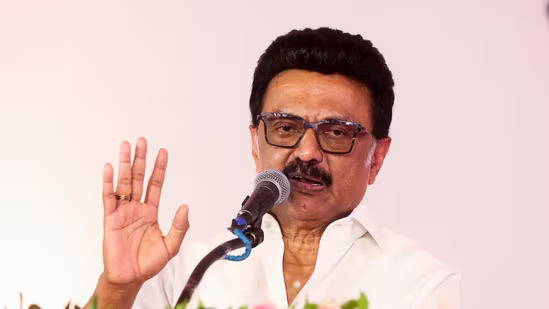
Tamil Nadu’s Chief Minister, M.K. Stalin, described the recently introduced Tamil Nadu State School Education Policy (TNSEP) as a roadmap for Samathua Kalvi (equitable education) and Pagutharivu Kalvi (rationalist education). The policy introduces many welcome initiatives in pedagogy, technology integration, […]
October 7, 2025
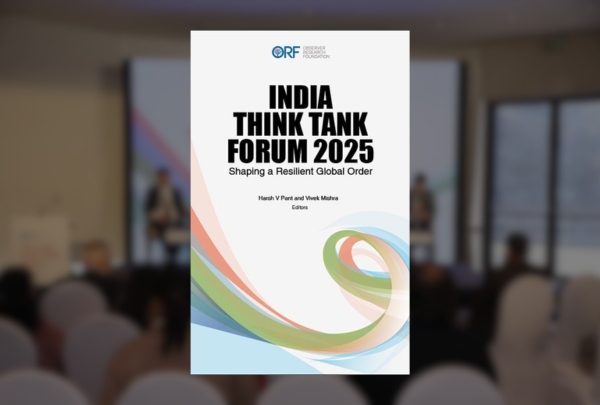
The think tank ecosystem in India stands at a critical juncture. Balancing independence, technological adaptation, and policy relevance will be crucial. The journey toward realizing India’s vision of Amritkaal 2047 will be demanding, and the think tank ecosystem will play […]
September 24, 2025

Knowledge Partner: Centre for Public Policy Research (CPPR) Access to adequate, safe, and affordable housing is recognised as a universal right and a key target for sustainable development. Yet in India, the challenge remains severe—an estimated 18 million people live […]
September 21, 2025

Learning Outcomes and Governance Gaps under NEP 2020 One of the National Education Policy’s central objectives was to improve learning outcomes. To achieve this, the policy proposed reforms ranging from curriculum redesign and pedagogical innovation to regulatory restructuring. While many […]
May 12, 2025

The paper, “Generative AI and its Influence on India’s 2024 Elections,” authored by D Dhanuraj, Sreelakshmi Harilal, and Nissy Solomon of CPPR, explores how Artificial Intelligence (AI) was utilized in the 2024 General Elections in India, a year marked by […]
February 12, 2025

The budget expectation was therefore straightforward, such that unproductive expenditure was rationalised and new avenues to generate revenue explored. A weak fiscal position has been a long-standing issue in Kerala. As mentioned in the budget speech, there is a realisation […]
February 6, 2025



Kerala’s public finance management has been under stress for quite some time. In the recently published fiscal management index by Niti Ayog, Kerala is ranked 15 out of 18 states, which shows the depth of the challenges the State […]