
Stakeholder Consultation on Draft Recommendations for Reforming Building Regulations in Kerala

EP.4 – The Global High Tea Series | The Hormuz Disruption and Its Impact on India’s Maritime Trade Routes
July 8, 2026
Stakeholder Conference on Strengthening Public Bus Transport in Indian Cities
July 31, 2026Stakeholder Consultation on Draft Recommendations for Reforming Building Regulations in Kerala
| Event Start Date: July 31, 2026 | Event End Date: July 31, 2026 | Event Venue: Attendance by Invitation Only |
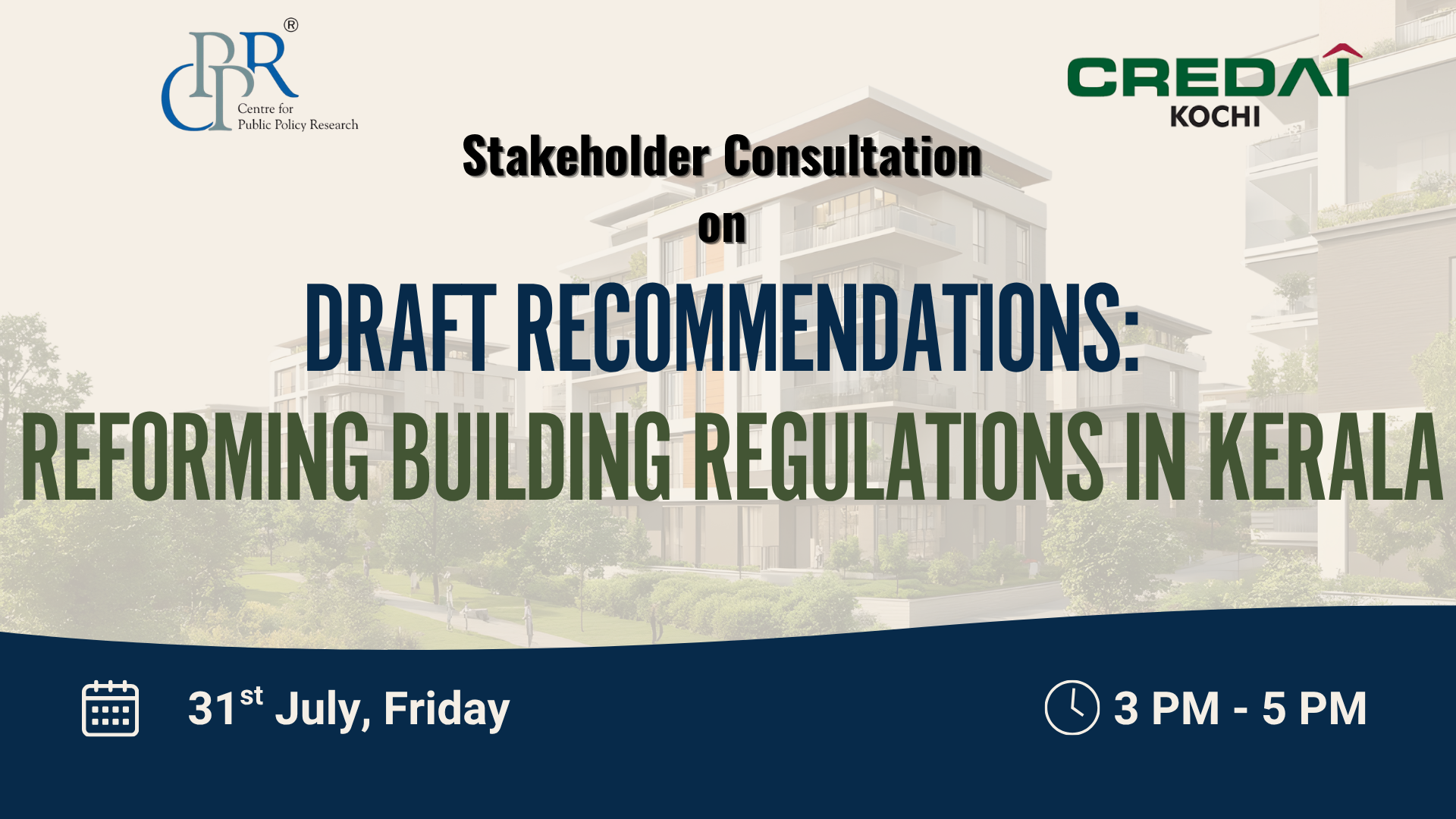
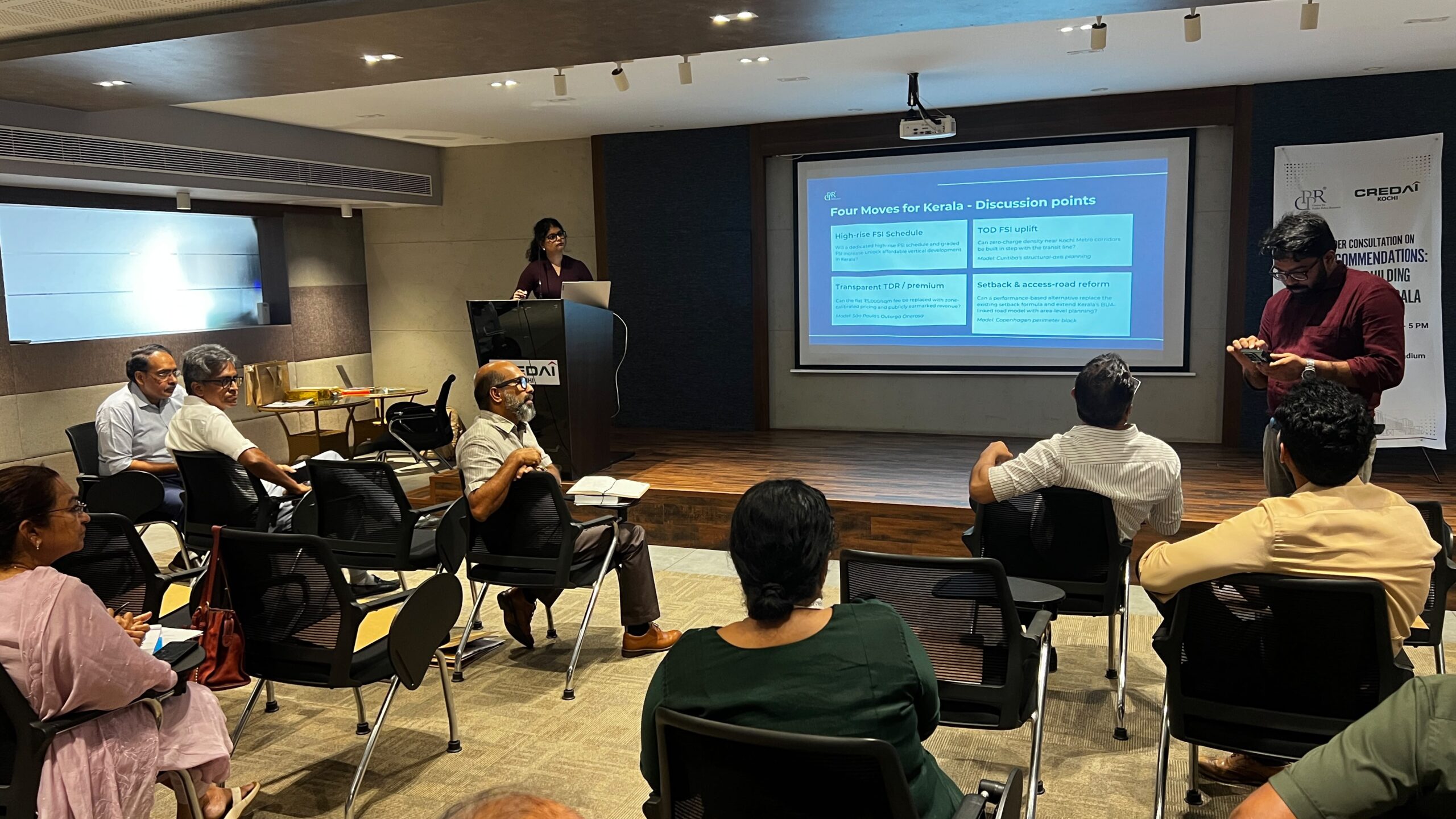
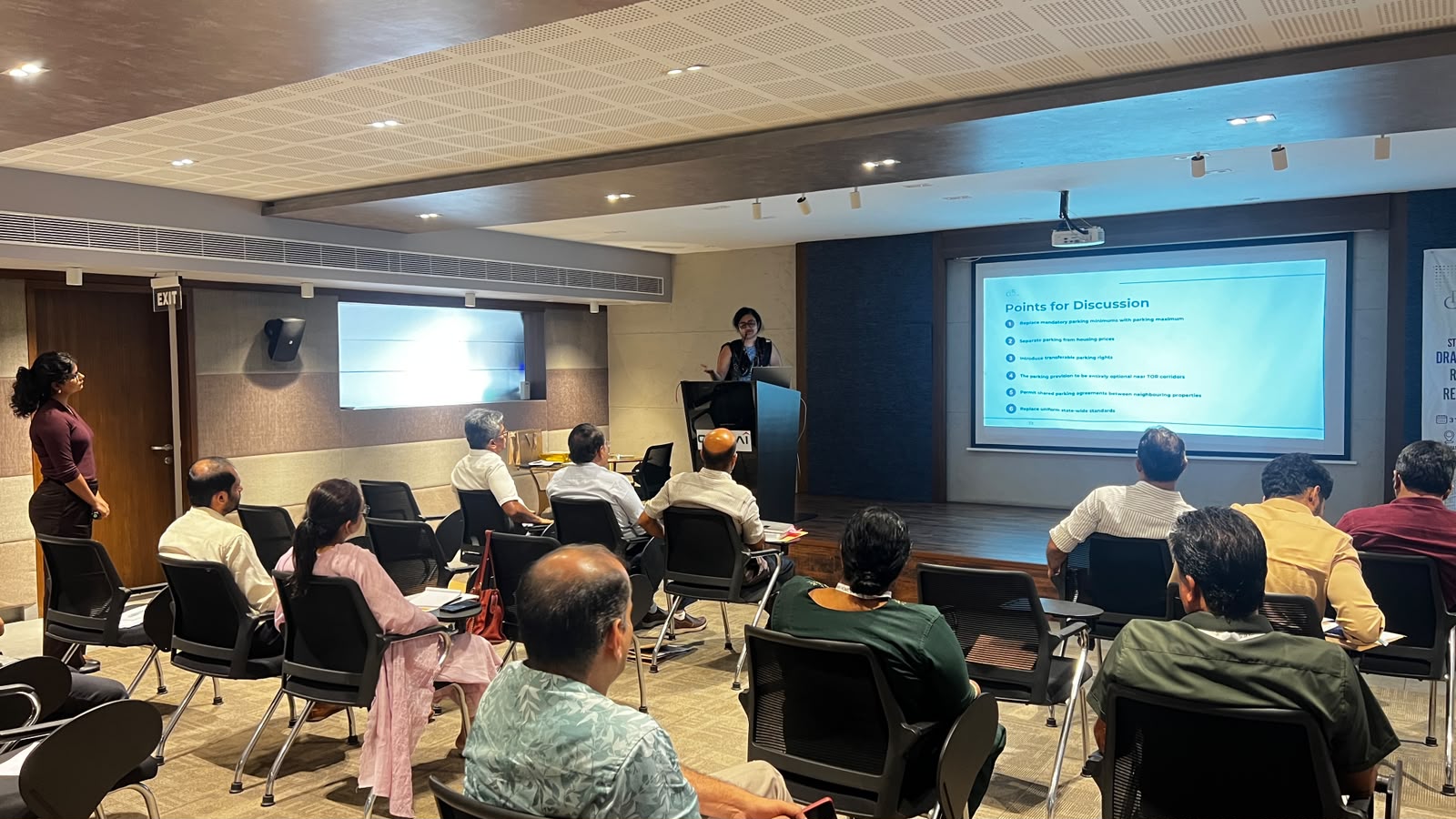
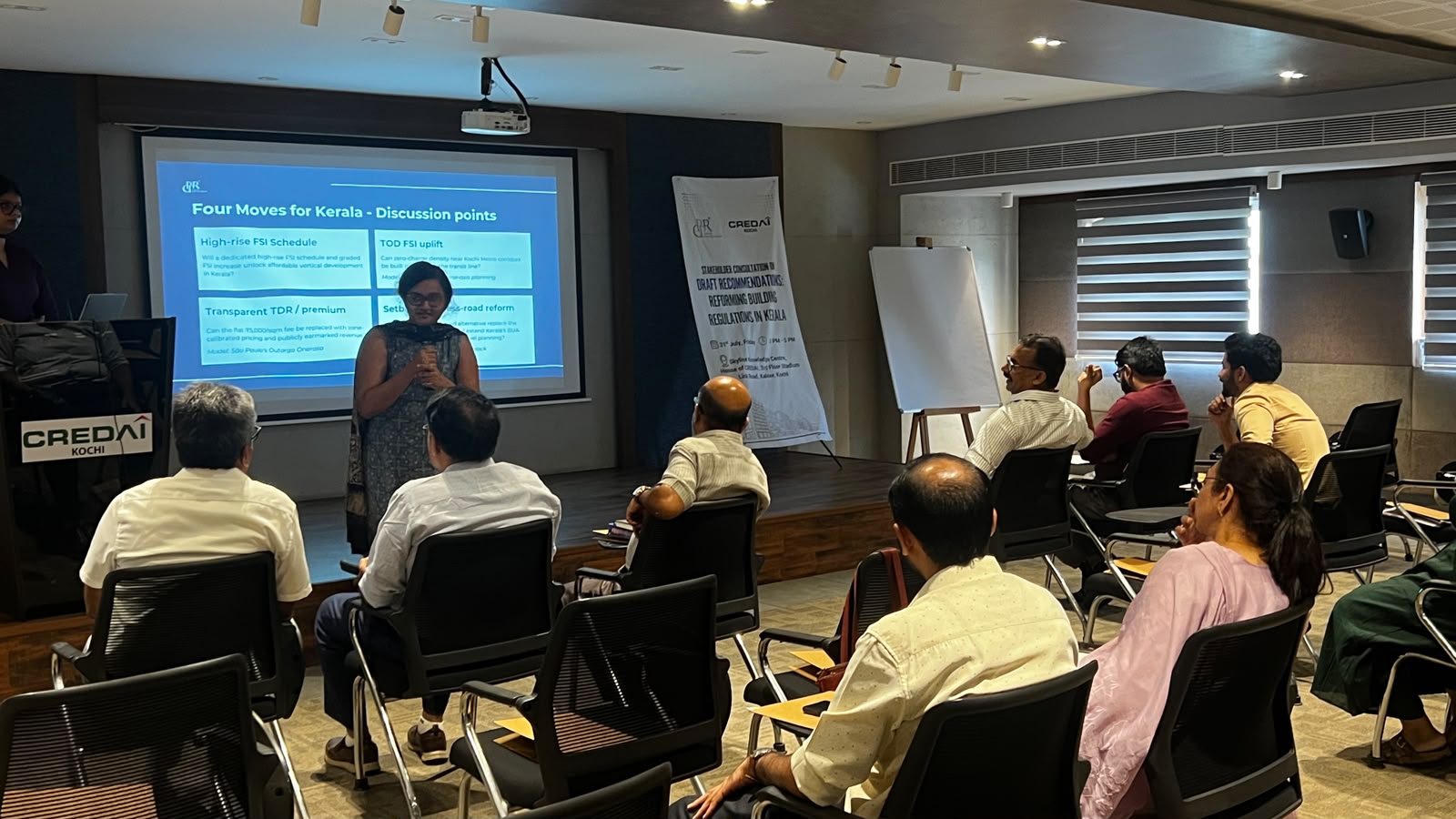
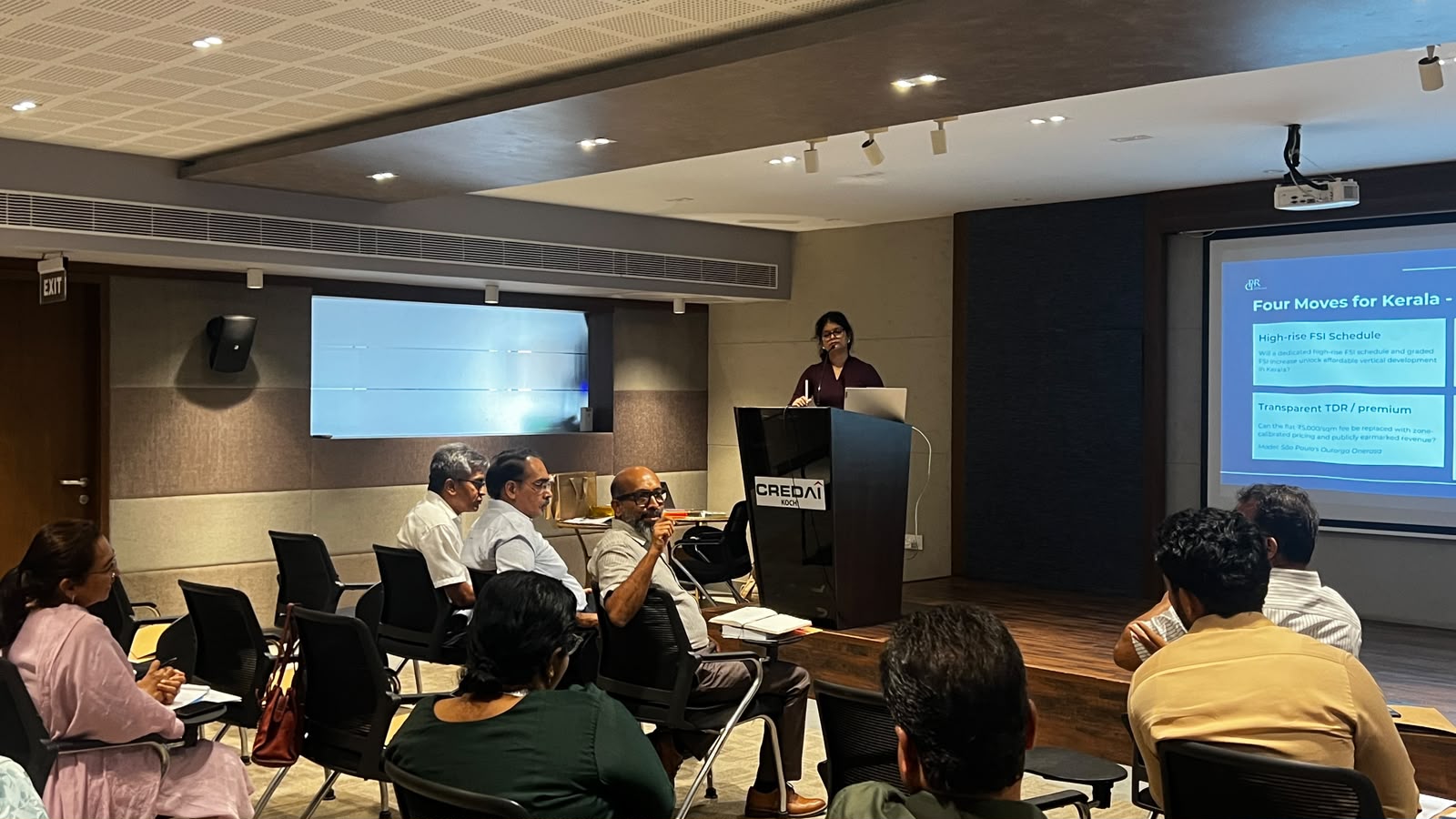
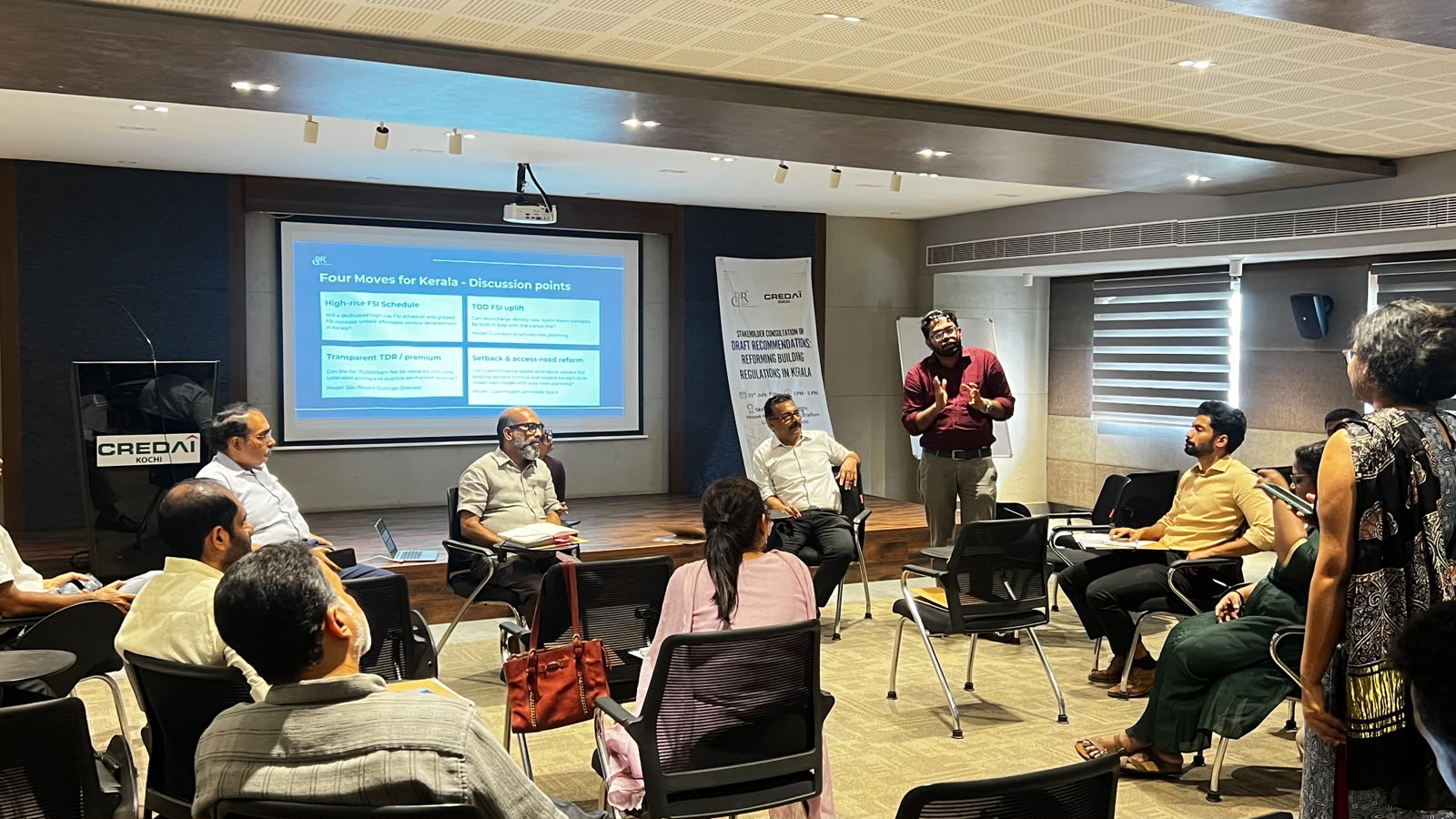
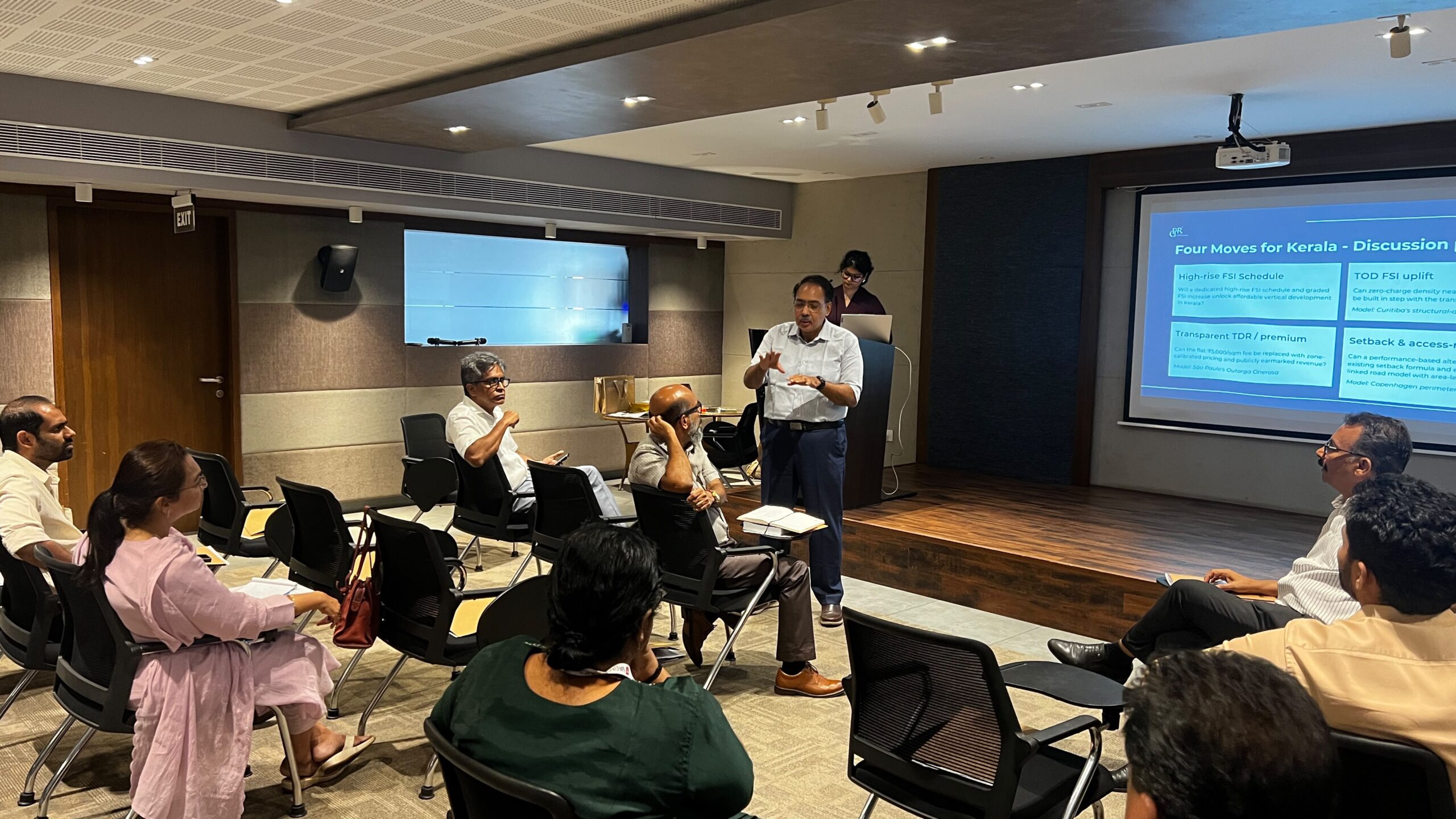
The Centre for Public Policy Research (CPPR), in association with CREDAI, Kochi, convened a stakeholder consultation on reforming building regulations in Kerala. The consultation brought together policymakers, urban planners, architects, developers, regulatory authorities, and housing experts to deliberate on draft policy recommendations concerning Floor Space Index (FSI), setbacks, road width requirements, parking norms, and fire safety regulations.
The discussion provided a platform for stakeholders to share technical feedback, highlight implementation challenges, and deliberate on practical regulatory reforms. The consultation focused on identifying pathways to improve housing supply and affordability while ensuring safety, sustainable urban development, and liveability in Kerala.
Key Takeaways from Stakeholder Consultations
- Move from area-based to risk- and occupancy-based regulation: Several requirements should be linked to occupant load, actual risk, sewage generation or parking demand rather than floor area or height alone.
- Improve land-use flexibility: Greater flexibility in the use of setbacks, open spaces and retained environmental areas could improve the productive use of constrained urban plots without permitting unsafe construction.
- Rationalise fire safety requirements: Fire regulations should maintain safety while considering occupant load, building configuration, fire-fighting systems and actual risk, rather than relying solely on fixed height or area thresholds.
- Clarify building classifications: Common definitions for basements, lower-ground floors, rooftop structures, pump rooms and service areas across KMBR, Fire and Rescue and K-SMART would reduce ambiguity and delays.
- Simplify parking regulations: Parking requirements, including two-wheeler and mechanised parking, should better reflect actual demand and recognise technological and spatial efficiencies.
- Strengthen digital approvals: K-SMART needs clearer, component-based systems and interoperable land records to accommodate complex building configurations and reduce approval uncertainty.
- Reduce regulatory overlap: Clearer institutional roles between LSGD, Fire and Rescue, Town Planning, Pollution Control Board and K-SMART can reduce duplication and improve approval timelines.
- Enable proportionate urban development: Overall, stakeholders called for a shift from rigid prescriptive requirements towards technology-neutral, performance-based and proportionate regulations that maintain safety and environmental standards while improving land-use efficiency and housing affordability.
A few snapshots from the event!