
Projects
July 3, 2026
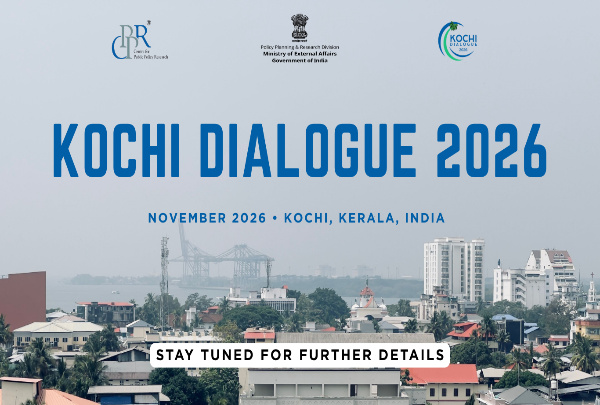
Organised by: Centre for Public Policy Research (CPPR), KochiIn collaboration with: Policy Planning & Research (PP&R) Division, Ministry of External Affairs, Government of IndiaDate: 18-20 November, 2026Venue: Kochi, Kerala, India Building the Next Chapter of India–GCC Relations Kochi Dialogue is […]
April 29, 2026
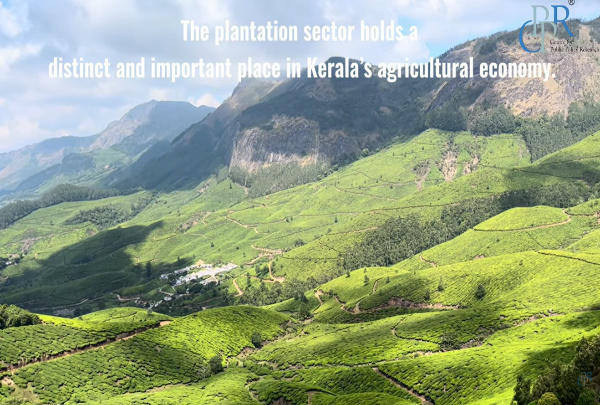
In this video, the Centre for Public Policy Research (CPPR), Kochi, Kerala, presents key insights from its research on Kerala’s plantation sector, focusing on the need for diversification, regulatory reform, and improved competitiveness. Plantation crops such as tea, coffee, rubber, and […]
April 24, 2026

Introduction The upcoming state elections in Tamil Nadu and West Bengal in 2026 present two distinct yet deeply consequential political contests that reflect broader shifts in India’s electoral landscape. While Tamil Nadu continues to be shaped by its entrenched Dravidian […]
February 25, 2026

Eleven decisive factors that will shape the outcome of Kerala’s most consequential election in a generation. The local body elections in December 2025 effectively set the tone for Kerala’s 2026 state assembly elections. With the UDF’s decisive victory in those […]
December 31, 2025

The policy that once protected plantations—the exemption from ceiling provisions of the Kerala Land Reforms (KLR) Act, 1963—is now contributing to the sector’s stagnation. AI Generated According to the GoK-IIM Kozhikode report on Plantation (2021), the sector’s peak was in […]
December 31, 2025
In this video, the Centre for Public Policy Research (CPPR), Kochi, Kerala, presents key insights from its research on Low-Fee Private Schools (LFPS) across 5 Indian States, namely Andhra Pradesh, Telangana, Kerala, Karnataka and Tamil Nadu. LFPS educate a significant […]
December 29, 2025

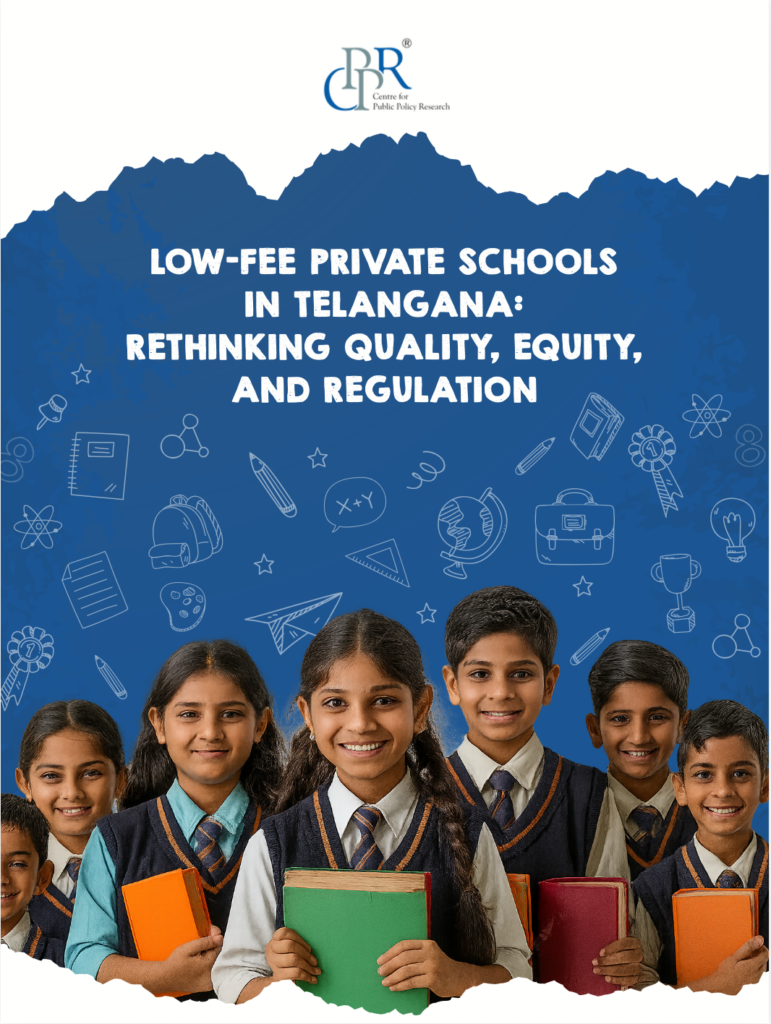
Telangana’s education landscape has seen rapid growth, with the Gross Enrolment Ratio (GER) rising from 21.5% in 1961 to nearly 95.7% in 2024. While government schools dominate in number, private unaided schools educate 64.7% of students, and 75–80% of these […]
December 29, 2025

Andhra Pradesh’s school system has undergone a profound transformation over the decades, moving from a predominantly government-led model to a mixed ecosystem where private providers now educate over half of all students. Public initiatives such as free textbooks, midday meals, […]
December 29, 2025

Kerala’s long‑standing literacy campaign, with its emphasis on education as a social right, has produced a nearly universal schooling environment. Kerala’s schooling landscape departs from national patterns, with government-aided institutions enrolling over 43% of students (UDISE+ 2021–22), whereas in many […]
December 29, 2025
Over the past decade, Karnataka has witnessed rising private participation in school education, with Low-Fee Private Schools (LFPS) emerging as the backbone of this expansion. Low-Fee Private Schools are privately run, unaided institutions that charge minimal monthly tuition fees and […]
December 29, 2025

Telangana’s education landscape has seen rapid growth, with the Gross Enrolment Ratio rising from 21.5% in 1961 to nearly 95.7% in 2024. While government schools dominate in number, private unaided schools educate 64.7% of students, and 75–80% of these are […]
October 28, 2025

Context India’s rapid urbanisation has become not only the cornerstone of its economic growth, innovation, and modernity, but also a consequential strain on the country’s available resources. By 2050, it is estimated that approximately two-thirds of the global population will […]
October 21, 2025

India-China Relations in 2025 As India and China mark 75 years of diplomatic ties in 2025, their relationship continues to reflect both cooperation and competition. Against the backdrop of global economic shifts, US tariffs, and regional power transitions, the India-China […]
October 8, 2025

Agrivoltaics for Sustainability Sustainable development continues to be a complex challenge for many nations. With populations growing and natural resources becoming scarce, governments face the difficult task of balancing today’s demands with the needs of tomorrow. Innovative and integrative solutions […]
October 8, 2025





Despite their broad reach and growing role in India’s education ecosystem, low-fee private schools continue to operate under considerable strain, with many facing a complex and rigid regulatory environment. Meanwhile, the quality of learning remains a persistent national challenge. The […]